Scientists Create Life-Free Earth Simulation to Detect Alien Biosignatures
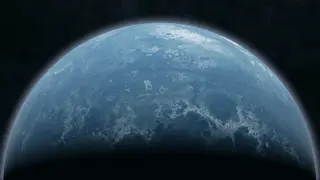
Researchers have developed a computer-generated model of Earth without life to better identify biological signals on distant exoplanets. By simulating planetary chemistry and atmospheric conditions in the absence of living organisms, scientists can distinguish true biosignatures from false positives. This tool enhances the search for extraterrestrial life.
Scientists have developed a computer-generated model of Earth stripped of all life to improve the detection of alien biosignatures on exoplanets. This simulation replicates planetary chemistry and atmospheric conditions in the absence of biological activity, allowing researchers to identify which atmospheric compositions are truly indicative of life versus those that can arise through non-biological processes. The tool is designed to reduce false positives in the search for extraterrestrial life by establishing a baseline of what a lifeless Earth would look like from afar. While specific details such as the model’s name, development timeline, or research institution are not provided, the approach marks a significant refinement in astrobiological methodology.
The work builds on years of effort to interpret data from space telescopes like Kepler and James Webb, which have identified thousands of exoplanets but struggle to confirm whether atmospheric signals indicate life. Prior studies have highlighted the risk of misinterpreting abiotic processes—such as volcanic outgassing or photochemical reactions—as signs of biology. By creating a life-free Earth simulation, researchers aim to sharpen the criteria for what constitutes a genuine biosignature, improving the reliability of future discoveries.
The primary actors are likely teams within major space agencies or academic institutions involved in exoplanet research, though their identities remain unspecified. Their goal is to in
This simulation could reshape how scientists evaluate habitability and life beyond Earth, potentially influencing mission planning and funding priorities for space observatories. If validated, it may help avoid premature announcements of alien life, reducing public confusion and maintaining scientific credibility. The broader impact extends to the public’s perception of space exploration—increasing trust in findings while managing expectations about near-term breakthroughs. A comparable precedent is the 2018 controversy over phosphine in Venus’s atmosphere, which sparked excitement before being retracted or downplayed due to alternative explanations. This model may help prevent similar missteps by providing a clearer benchmark for distinguishing life from chemistry. In the long term, it could affect how private space ventures and international collaborations frame their goals. What to watch for is whether this approach becomes standard in peer-reviewed exoplanet studies or remains a n