Tower Semiconductor Surges on AI Demand, Yet Shares Drop Amid Valuation Worries
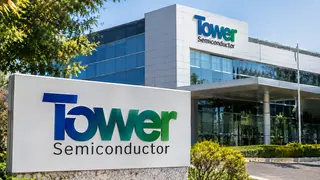
Tower Semiconductor exceeded earnings expectations and raised its revenue outlook due to soaring demand for AI-related connectivity chips. Despite a 33% year-over-year revenue increase and strong margins, shares declined as investors weighed high capital spending, elevated valuations, and long-term reliance on AI infrastructure trends.
Tower Semiconductor (TSEM) reported third-quarter 2026 earnings on November 2, posting revenue of $526 million and adjusted earnings of $1.15 per share—both exceeding expectations—amid surging demand for AI-driven connectivity chips. The company raised its fourth-quarter revenue guidance to approximately $600 million, signaling strong momentum and visibility through customer contracts extending into 2029. A key driver was silicon photonics (SiPho), which generated $240 million in revenue during the quarter and is projected to reach an annualized run rate above $1.1 billion by Q4. This technology, essential for high-speed optical data transmission in AI data centers, now accounts for 56% of total revenue—up from just 27% a year earlier—marking a strategic pivot away from declining segments like RF mobile and sensors. Despite improved gross margins (34%) and operating profits, TSEM shares declined roughly 5% on the day, reflecting investor unease over valuation and capital intensity.
The shift in business focus stems from prior investments in advanced process technologies and long-term partnerships with AI infrastructure providers, which have now materialized into sustained demand. CEO Russell Ellwanger emphasized that the company is entering its strongest growth phase, citing reduced seasonal slowdowns and expanding capacity. However, this optimism is tempered by financial realities: capital expenditures reached $191 million in Q3, slightly surpassing operating cash flow of $
Tower Semiconductor’s earnings story reflects a broader market dynamic where growth in high-tech sectors is increasingly tied to AI infrastructure, creating winners and stressed valuations. Investors may benefit from the company’s technological leadership in silicon photonics, which underpins next-generation data centers, but the sharp stock decline signals caution about overvaluation and capital burn. This mirrors earlier market reactions to semiconductor firms like NVIDIA during its 2021 peak, when strong fundamentals were met with skepticism due to extreme multiples. If AI demand remains robust, TSEM could see sustained growth; however, a slowdown in data center spending or supply chain shifts could pressure margins and investor confidence. The company’s ability to manage capital allocation while maintaining innovation will be critical. What to watch for: whether fourth-quarter results meet guidance, the pace of new customer contracts beyond 2029, and how cash flow evolves as capex