Cosmic radiation risks raise concerns about human missions to Mars
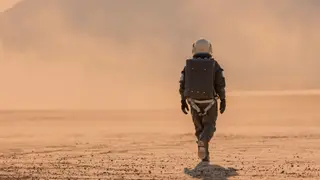
A recent study on rats indicates that exposure to cosmic radiation may pose serious health threats for astronauts on long-duration Mars missions. The findings prompt debate over the trade-offs between exploration and personal safety. Live Science invites readers to consider whether they would undertake such a journey despite the dangers.
A recent study involving rats has revealed that exposure to cosmic radiation—such as that encountered in deep space—may pose significant health risks for astronauts on extended missions to Mars. While specific details such as the duration of exposure, radiation levels, or exact health outcomes are not provided, the findings suggest a strong correlation between prolonged cosmic radiation and adverse biological effects. These results are particularly relevant given NASA’s long-term plans to send humans to Mars, which would require months of travel through interplanetary space where Earth’s magnetic field offers no protection. The study underscores growing concerns about the safety of such missions, prompting renewed debate over whether the scientific and exploratory benefits justify the potential harm to human health.
The broader context includes years of research into space radiation effects, with prior studies on astronauts aboard the International Space Station offering limited insight due to the station’s position within Earth’s protective magnetosphere. As space agencies plan for deeper space missions, the lack of shielding against galactic cosmic rays has become a critical challenge. The study’s findings may influence future mission design, including decisions about spacecraft shielding, crew selection, and mission duration. Organizations like NASA and private entities such as SpaceX are likely evaluating how these risks affect their timelines and safety protocols. Meanw
The study’s implications could reshape public perception of space exploration, particularly regarding the personal cost of pushing human limits. If cosmic radiation risks are confirmed as severe in humans, it may lead to tighter medical screening for astronauts, longer training periods, or even a reevaluation of mission timelines. This could slow down progress toward Mars colonization but also strengthen safety standards across the industry. The psychological and ethical dimensions—such as informed consent and the moral weight of sending individuals into potentially life-threatening environments—may influence policy debates in spacefaring nations. A comparable precedent is the early days of nuclear energy, where initial enthusiasm was tempered by growing awareness of radiation dangers, leading to stricter regulations and public scrutiny. Similarly, this research may prompt a broader societal conversation about acceptable risk in technological advancement. Institutions like NASA may fa