Samsung Galaxy Fit 4 May Bring NFC Payments to Budget Wearables
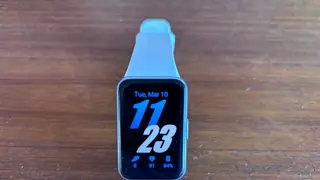
Leaked details suggest the upcoming Samsung Galaxy Fit 4 will include NFC for contactless payments—a feature absent in its main rival, the Fitbit Edge. The wearable may also feature a speaker for on-device calls, with a compact 1.72-inch secondary display integrated into the camera module. Despite minimal design changes from the Fit 3, the addition of payment functionality could make it a compelling choice for budget-conscious users.
The Samsung Galaxy Fit 4 is emerging from leaks as a potential upgrade to the budget wearable segment, with one notable feature: NFC support for contactless payments. This marks a significant shift, as the Fitbit Edge—the Fit 4’s primary competitor—has omitted NFC despite including it in the Fitbit Charge 6. The Fit 4’s rumored inclusion of a speaker, indicated by a "Sounds and vibrations" section in the Galaxy Wear plugin, suggests it may support on-device calls, a feature not previously available on the Fit 3. Design-wise, the Fit 4 appears nearly identical to its predecessor, maintaining a compact 1.72-inch secondary display integrated into the camera module. Three color options—black, white, and light blue—have surfaced, with the latter replacing the Pink Gold variant from the Fit 3. While the Fit 3 launched at £69/$69, the Fit 4 may see a price increase due to ongoing memory shortages, though Samsung may still undercut the Fitbit Edge on cost. The absence of NFC on the Fitbit Edge, despite its prior inclusion, raises questions about Fitbit’s strategic direction, possibly signaling a shift toward more basic, screenless models like the Fitbit Air and Garmin Cirqa. Samsung, meanwhile, appears to be doubling down on functionality in its budget line, aiming to attract users who value convenience and payment integration.
The potential inclusion of NFC in the Galaxy Fit 4 could influence how budget-conscious consumers view wearable technology, particularly those who prioritize convenience over premium features. If Samsung delivers contactless payments at a lower price point than Fitbit’s Edge, it may shift purchasing behavior toward Samsung, especially among users who frequently use mobile payments. This could pressure Fitbit and other competitors to reconsider feature prioritization in their lower-tier devices. The broader market for wearable tech may see a renewed emphasis on functional differentiation, even in entry-level products, as users increasingly expect seamless integration with digital lifestyles. A comparable precedent is the early adoption of NFC in Apple Watch, which helped establish wearables as essential payment tools. However, unlike Apple, Samsung is targeting affordability, which could democratize access to such features. What remains uncertain is whether the Fit 4 will deliver reliable performance with its speaker and payment system, or if the price increase will deter cost-sensitive buyers. The upcoming Galaxy S27 and potential over-ear headphones may also influence consumer interest in the broader ecosystem, but for now, the Fit 4’s success hinges on balancing cost, functionality, and reliability.