Huawei Mate 90 Air Leaked Specs Reveal 50MP Main Camera and Red Maple Imaging
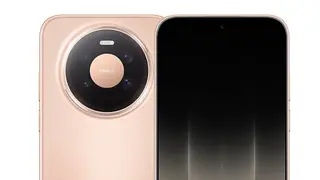
The upcoming Huawei Mate 90 Air is expected to feature a 7-inch 1.5K+ display with a 120Hz refresh rate and a slim 6.58mm design. Its camera system includes a 50MP main sensor, 8MP ultra-wide lens, 12MP telephoto lens, and a 10.7MP front camera, supported by Huawei’s Red Maple imaging technology. The device is rumored to be powered by the Kirin 9020 chipset and include a 6,500mAh battery with 66W wired fast charging.
Huawei is set to launch the Mate 90 Air on November 24, 2026, according to a leaked specification report from Weibo tipster Digital Chat Station, cited by Igeekphone. The device is expected to feature a 7-inch 1.5K+ display with a 120Hz refresh rate and an equal-depth quad-curved design, emphasizing visual immersion and smooth performance. It will be powered by the Kirin 9020 chipset, a new processor likely designed to balance performance and efficiency. The phone’s camera system includes a 50MP main sensor, 8MP ultra-wide lens, 12MP telephoto lens, and a 10.7MP front-facing camera, all enhanced by Huawei’s Red Maple imaging technology, which aims to improve color accuracy and low-light performance. The device is rumored to have a 6,500mAh battery with 66W wired fast charging, and a slim 6.58mm thickness, suggesting a focus on both endurance and portability. It will be available in Rose Gold, Moonlight Silver, and Obsidian Black, with two storage variants: 12GB RAM + 256GB or 512GB storage. The phone has already appeared on Huawei’s official online store, indicating imminent release.
The background includes Huawei’s ongoing efforts to rebuild its premium smartphone lineup post-sanctions, with a focus on hardware innovation and software integration. Previous leaks and official listings have hinted at the Mate 90 series’ design and performance, with the Pro Max model also rumored to feature advanced imaging. The company aims to reassert its position in the high-end market by emphasizing camera quality, battery life, and sleek design. The Red Maple technology may represent a strategic move to differentiate its imaging from competitors. However, the specifications remain unconfirmed, and final details—including pricing, availability outside China, and real-world performance—remain unknown. The side-mounted fingerprint sensor and metal frame without plastic antenna breaks suggest a premium build, but these features are still speculative until official confirmation.
The Mate 90 Air could influence consumer expectations for premium smartphones in 2026, particularly in markets where Huawei has a strong legacy. If the 6,500mAh battery and 66W charging deliver on promises, it may set a new benchmark for endurance in large-screen devices. The emphasis on imaging technology like Red Maple may push competitors to invest more in computational photography, potentially accelerating innovation in smartphone cameras. Huawei’s return to a high-profile product launch could signal a broader recovery in its global smartphone strategy, though geopolitical constraints may still limit international availability. A comparable case is the 2019 Mate 30 Pro, which introduced advanced camera systems despite U.S. restrictions, demonstrating Huawei’s ability to innovate under pressure. The Mate 90 Air’s success may depend on whether its hardware and software integration can win back consumer trust. What to watch for includes official benchmark results, real-world battery tests, and how Huawei positions the device in global markets—especially if it avoids the same regulatory hurdles that affected earlier models.