AI Coding Tool Leak Exposes Secrets in Thousands of Public GitHub Repos
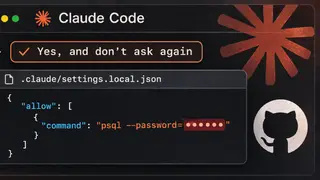
Anthropic’s Claude Code AI assistant has been found to store sensitive data—including passwords and API keys—when users select the "don't ask again" option. Security researchers discovered 1,122 public GitHub repositories containing these exposed credentials, highlighting a critical oversight in the tool's design.
Anthropic’s Claude Code AI assistant has been found to inadvertently store sensitive data such as passwords and API keys when users opt to “don’t ask again” during interactions. This design flaw led to the exposure of credentials in 1,122 public GitHub repositories, where developers had unknowingly shared confidential information. The issue arose because the tool’s persistent setting bypassed safeguards meant to prevent sensitive data from being retained or transmitted. Security researchers identified the breach by scanning publicly accessible code repositories, uncovering a significant number of exposed secrets that could be exploited by malicious actors. The incident underscores a critical gap in AI-assisted development tools: even when intended to improve productivity, features like persistent memory can introduce serious security risks if not properly vetted.
The background to this issue lies in the growing integration of AI into software development workflows, where tools like Claude Code are designed to accelerate coding by offering real-time suggestions and code generation. However, prior reports have highlighted similar concerns with other AI assistants, including potential data leakage through unsecured storage or transmission. The “don’t ask again” feature, meant to enhance user experience, became a vector for unintended data retention—highlighting how usability enhancements can conflict with security best practices. Anthropic, the developer of Claude Code, is now under scrutiny for not adequately addressing these risks during development or deployment. The affected developers and organizations using the tool may face reputational damage or financial loss if credentials are misused.
What remains unresolved is whether Anthropic has implemented immediate fixes or issued public advisories to users. It is also unclear how many additional repositories may contain exposed data beyond the 1,122 identified. The broader implications for AI tool design and regulatory oversight in software development remain uncertain.
The exposure of sensitive credentials through an AI coding assistant could significantly impact developers, organizations, and cloud service providers who rely on secure code practices. Individuals whose API keys or passwords were leaked may face unauthorized access to systems, leading to data breaches or financial loss. For companies, this incident may erode trust in AI-assisted development tools, potentially slowing adoption despite their efficiency benefits. The broader software ecosystem could see increased scrutiny of third-party AI integrations, with organizations reevaluating how they manage secrets and implement security protocols. This case bears resemblance to earlier incidents like the 2018 GitHub leak of API keys in public repositories, which prompted widespread awareness campaigns and automated scanning tools. However, this event is distinct in that it involves an AI tool’s design flaw rather than user error alone. It may prompt a shift toward stricter auditing of AI-generated code and more transparent data handling policies. As AI tools become embedded in development pipelines, the risk of cascading vulnerabilities grows—especially if security is treated as an afterthought. What to watch for next includes whether regulatory bodies or industry standards will begin mandating security reviews for AI-assisted software tools.