Pioneer Cement Awards Solar and Battery Contract in Pakistan
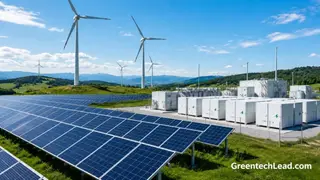
Pioneer Cement has awarded contracts to Pragmatic Engineering Solutions FZE and Sungrow Power Supply for a 15 MW/30 MWh battery storage system and a 10 MW solar installation at its Chenki facility in Punjab, Pakistan. The project is set for completion by March 31, 2027, increasing the site’s total solar capacity to 31 MW after integration with an existing 28.265 MW plant.
Pioneer Cement has awarded contracts to Pragmatic Engineering Solutions FZE and Sungrow Power Supply for a 15 MW/30 MWh battery energy storage system and a 10 MW solar photovoltaic installation at its Chenki cement plant in Khushab, Punjab, Pakistan. The project, announced on November 6, 2026, is scheduled for completion by March 31, 2027. This development builds upon the existing 28.265 MW solar facility already operational at the site, bringing the total solar capacity to 31 MW post-completion. The contracts were disclosed via a filing with the Pakistan Stock Exchange, though the financial value remains undisclosed. The integration of battery storage with solar generation aims to enhance grid stability and reduce reliance on fossil fuels during peak demand or low solar output periods.
This move follows a broader trend in industrial decarbonization, particularly within energy-intensive sectors like cement manufacturing. Cement production is responsible for roughly 7–8% of global CO₂ emissions, making such investments critical for meeting national and international climate commitments. The Chenki facility’s expansion reflects Pioneer Cement’s strategic shift toward self-sustained renewable power, potentially reducing operational costs and carbon footprint over time. Sungrow Power Supply, a leading Chinese provider of solar inverters and energy storage systems, brings proven technology to the project, while Pragmatic Engineering Solutions FZE is likely responsible for engineering, procurement, and construction (EPC) execution. The company’s decision to expand its renewable capacity signals confidence in long-term energy cost predictability and regulatory alignment with Pakistan’s growing focus on clean energy infrastructure.
The outcome of this project could influence similar industrial players across South Asia, where energy costs and emissions regulations are tightening. However, the extent of grid integration challenges, potential delays due to supply chain or permitting issues, and the actual performance of the battery system under local climatic conditions remain unknown. Additionally, the lack of disclosed contract value limits insight into the financial commitment and return on investment timeline.
The project could significantly reduce carbon emissions at a major industrial site in Pakistan, contributing to national climate goals and setting a precedent for energy-intensive industries in developing economies. Cement producers in countries like India, Bangladesh, and Indonesia may observe Pioneer Cement’s model as a viable pathway toward operational decarbonization, especially given the rising cost of fossil fuels and increasing pressure from international markets to meet green supply chain standards. The integration of solar with battery storage may also serve as a blueprint for hybrid renewable systems in regions with unreliable grid infrastructure, where energy independence is both an economic and strategic priority. A comparable case is India’s UltraTech Cement, which has invested heavily in rooftop solar and captive power plants across its facilities—demonstrating that large-scale industrial players can lead in clean energy adoption. The success of Pioneer Cement’s project may encourage similar investments by other heavy industries in Pakistan and neighboring countries. However, the long-term impact depends on factors such as maintenance costs, battery degradation rates, and policy stability. What to watch for next is whether this model attracts public or private financing mechanisms tailored to industrial renewable projects, potentially shaping future energy policy in South Asia.