Samsung Preparing Major Camera Upgrade for Galaxy S27 Series with Sony IMX Sensors
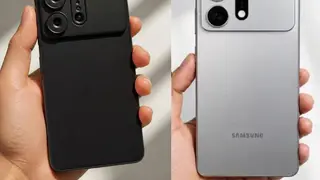
Samsung is reportedly planning a significant camera upgrade for its 2027 Galaxy S27 series, potentially replacing its ISOCELL sensors with Sony’s IMX sensors. The new lineup will include the standard Galaxy S27, Galaxy S27+, Galaxy S27 Pro, and Galaxy S27 Ultra 5G models. The launch is expected in late February 2027.
Samsung is reportedly preparing a significant camera overhaul for its 2027 Galaxy S27 series, with plans to replace its proprietary ISOCELL sensors in key positions with Sony’s IMX sensor lineup. The upcoming devices—standard Galaxy S27, Galaxy S27+, Galaxy S27 Pro, and Galaxy S27 Ultra 5G—are expected to launch in the last week of February 2027. The main camera on the standard and Plus models may use the Sony IMX955 50MP sensor, while the ultra-wide lens will retain the Sony IMX564 12MP unit. The 3x telephoto lens will still rely on Samsung’s S5K3K1 sensor, but the front-facing camera could shift from Samsung’s ISOCELL S5K3LU to the Sony IMX874 12MP sensor. For the Pro and Ultra models, leaks suggest a shared 50MP Sony IMX855 main sensor, though the flagship may still use Samsung’s 200MP S5KHP6 sensor with its new HP6 Architecture for high-resolution capture. This marks a notable shift, as Samsung has historically relied on its own ISOCELL sensors despite industry trends favoring third-party components like Sony’s IMX series.
The move signals a strategic recalibration in Samsung’s camera hardware strategy, possibly driven by competitive pressure from Apple and other Android manufacturers that have long leveraged Sony sensors for superior image quality. While Samsung LSI has not confirmed the change, the MX division—responsible for smartphone production—is reportedly behind the shift. The inclusion of a new Pro model suggests Samsung is expanding its high-end lineup to better compete with Apple’s iPhone 18 and other premium devices. However, it remains unclear whether this sensor switch will extend across all markets or be limited to specific regions. The chipset strategy also remains ambiguous, with rumors suggesting dual availability of Exynos 2700 in India and Snapdragon 8 Elite Extreme Gen 6 elsewhere. What is not yet known includes final confirmation from Samsung, the actual performance impact of the new sensors, and whether pricing will reflect the upgrade.
This potential shift to Sony IMX sensors could signal a broader trend where even dominant tech firms like Samsung outsource critical components to maintain competitive edge in imaging quality—a pattern seen earlier with Apple’s reliance on Sony sensors for years. If implemented, this change may elevate user expectations for smartphone photography, especially among content creators and social media users who prioritize image clarity and low-light performance. The move could also influence supply chain dynamics, potentially strengthening Sony’s position as a key supplier in premium mobile imaging. However, Samsung’s decision to retain its own sensors for certain lenses suggests a hybrid strategy, balancing innovation with cost control and vertical integration. Market watchers may observe whether this upgrade leads to increased consumer satisfaction or if it merely becomes table stakes in the high-end segment. What remains uncertain is how this will affect Samsung’s brand differentiation—will it be seen as embracing proven third-party tech or as a retreat from its own R&D leadership? The next few months, especially leading up to the February 2027 launch, will reveal whether this upgrade is a genuine leap or a strategic repositioning in response to market pressures.