Meta’s Muse Charm AI Gadget Expected to Launch at $300 with Free 5G Plan
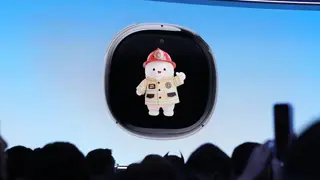
Meta is reportedly planning to price its Muse Charm AI wearable at $300, with a free 12-month 5G data plan from Verizon included. The device, announced by CEO Mark Zuckerberg, allows users to interact with the Muse AI agent via voice and touch without unlocking a phone. Meta is also developing a smartwatch, though its launch has been delayed until 2027 to prioritize the Charm.
Meta is set to launch its Muse Charm AI wearable in December 2026, with a reported price of $300, according to The Information. The device, announced by CEO Mark Zuckerberg earlier in the year, is designed to allow users to interact with the Muse AI agent through voice and touch without needing to unlock a smartphone or open an app. It features a screen, a fingerprint sensor, and real-time voice and avatar technology. A notable inclusion is a free 12-month 5G data plan from Verizon, which could significantly lower the barrier to entry for users exploring AI-powered wearables. The device is expected to ship in time for the holiday season, marking a key milestone in Meta’s push into AI-first hardware. Meanwhile, Meta’s planned smartwatch has been delayed until 2027, indicating that the company is prioritizing the Charm’s launch to establish a foothold in the AI gadget market. The company has also open-sourced code to enable third-party developers to create their own versions of the Muse gadget, as demonstrated by The Verge’s Sean Hollister, who built a DIY version. Meta spokesperson Tyler Yee confirmed the company’s interest in AI devices but offered no further details beyond the statement that “we’ll have more to share soon.”
The Muse Charm could signal a shift toward AI-centric wearables that function independently of smartphones, potentially reshaping how users interact with digital assistants. By bundling a 5G plan with the device, Meta may be attempting to lock users into its ecosystem, similar to how Apple bundled the Apple Watch with cellular plans to boost adoption. The move may also pressure competitors like Google and Samsung to accelerate their own AI hardware strategies. If successful, the Charm could influence consumer expectations around always-on, voice-activated AI, possibly leading to broader industry adoption of similar devices. However, the long-term viability of such a product depends on user trust in AI privacy and data handling—especially given Meta’s history with data controversies. The open-sourcing of the code could foster innovation but also raises concerns about security and unauthorized use. What remains unclear is whether the free 5G plan will be extended beyond the first year, and how Meta will monetize the device after the initial promotional period. The delayed smartwatch launch suggests Meta is testing the market with a focused product before expanding.