New Lace Bug Species Identified on Japan’s Ogasawara Islands Through DNA Analysis
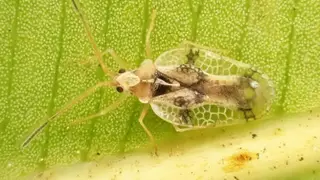
Scientists have discovered a previously unrecognized lace bug species on Japan’s remote Ogasawara Islands using genetic analysis. Though the bugs were once classified as a single species, differences in diet and coloration prompted further investigation. DNA comparisons revealed distinct lineages, suggesting that a tree introduced by humans may have contributed to the emergence of another new species.
Scientists have identified a new species of lace bug on Japan’s Ogasawara Islands, a remote archipelago located south of the main Japanese islands, through advanced DNA analysis. Though these insects were previously classified under a single known species, researchers noticed variations in coloration and feeding habits that suggested hidden diversity. Genetic comparisons revealed distinct lineages, indicating that what was once considered one species may actually represent two separate ones. The study points to a possible link between the emergence of this new species and the introduction of a non-native tree by humans, which may have provided a new ecological niche enabling speciation. The findings underscore how human activity can indirectly drive evolutionary change in isolated ecosystems.
The discovery builds on earlier taxonomic work that had grouped all such lace bugs under one species, relying primarily on morphological traits. However, discrepancies in diet and appearance prompted deeper investigation using molecular techniques. This shift from traditional classification to genetic analysis highlights a broader trend in modern biology: the use of DNA sequencing to uncover cryptic species that look similar but are genetically distinct. While the study does not name the specific tree introduced by humans or provide exact dates for its arrival, it suggests that human-mediated ecological changes may have played a pivotal role in shaping biodiversity on the islands.
The research was conducted by a team of biologists specializing in entomology and evolutionary genetics, though their institutional affiliations are not specified. Their goal appears to be advancing taxonomic accuracy and understanding how human actions influence natural evolution. The broader implications include refining conservation strategies for island ecosystems, where invasive species and habitat alterations can have disproportionate effects. What remains unresolved is whether the newly identified species is widespread beyond the Ogasawara Islands or if similar genetic divergence has occurred elsewhere in response to human-introduced flora.
The discovery of a new lace bug species through DNA analysis on the Ogasawara Islands could influence how conservation policies are applied to remote, ecologically sensitive regions. As human activity continues to alter natural habitats, such findings may prompt more rigorous genetic screening before classifying organisms, especially in biodiversity hotspots. This case mirrors earlier discoveries like the split of the African elephant into two distinct species based on genetics, which reshaped wildlife protection efforts. In both instances, molecular data revealed hidden diversity that traditional methods had missed, leading to more targeted conservation strategies. The broader impact may extend to ecological monitoring and invasive species management. If human-introduced trees can drive speciation, this could complicate efforts to control non-native plants, as their presence might inadvertently foster new, potentially disruptive species. Researchers and environmental agencies may need to consider evolutionary outcomes when assessing ecological risks. The case also raises questions about how rapidly such changes occur and whether similar processes are underway elsewhere. What to watch for next is increased use of genomic tools in biodiversity assessments, especially in isolated island systems where human influence is both significant and measurable.