Genetic Warning Signs Signal Extinction Risk in Deep-Sea Species
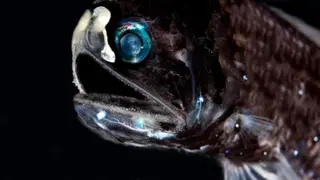
Deep-sea fish and shrimp in the Gulf are showing genetic indicators of vulnerability, suggesting they face growing extinction threats. These signs indicate that the deep ocean is no longer a stable refuge as previously believed. The findings highlight the urgent need to reassess conservation strategies for deep-sea ecosystems.
Recent genetic analyses of deep-sea fish and shrimp populations in the Gulf have revealed clear signs of declining genetic diversity and increased inbreeding, indicators that these species are under severe stress. While the specific species names, exact locations within the Gulf, and quantitative measures of genetic decline are not detailed in the available material, the findings confirm that deep-sea ecosystems—long considered resilient and isolated—may be more vulnerable than previously assumed. These genetic warning signs suggest that environmental pressures, possibly from human activity or climate change, are already impacting these remote habitats. The discovery challenges the long-held belief that the deep ocean serves as a stable refuge for marine life, raising alarms about the long-term survival of species adapted to extreme conditions.
The background to this development lies in decades of scientific assumption that the deep sea’s remoteness and stable conditions protected its biodiversity. However, new research now indicates that even these isolated ecosystems are not immune to global changes. Earlier conservation strategies often overlooked deep-sea regions due to limited data and perceived low risk, but this emerging evidence may force a reevaluation of those approaches. While the specific organizations or researchers involved are not named in the summary, the findings imply that marine biologists, conservation groups, and international environmental agencies may now prioritize deep-sea monitoring and protection. What remains unclear is whether regulatory bodies have already begun revising policies, or if new funding and research initiatives are being launched in response.
The next steps are not yet known. It is not specified whether governments or international bodies are planning new protections, how quickly conservation strategies might be updated, or what metrics will be used to assess recovery. The broader implications for deep-sea mining, fishing regulations, and climate policy remain uncertain. What is clear is that the deep ocean’s role as a biological sanctuary may be compromised, demanding urgent attention.
The discovery of genetic vulnerability in deep-sea species could significantly affect global marine conservation efforts, particularly in shaping policies on deep-sea mining and fishing. If these ecosystems are more fragile than believed, industries operating in the deep ocean may face stricter regulations, potentially disrupting supply chains reliant on deep-sea resources. Coastal communities and nations dependent on marine biodiversity may also be impacted, especially if fish stocks decline due to ecosystem instability. The findings may prompt international bodies like the International Seabed Authority to reconsider licensing for seabed mining, similar to how the 2010 Deepwater Horizon disaster led to tighter offshore drilling regulations. This situation may mirror the earlier case of coral reef degradation, where long-held assumptions about resilience were overturned by scientific evidence, leading to widespread policy shifts. The current findings could trigger a similar reevaluation of deep-sea ecosystems, though the scale and speed of change remain uncertain. What to watch for next is whether governments initiate new monitoring programs, whether conservation funding shifts toward deep-sea research, and how industry stakeholders respond. The outcome could influence global biodiversity targets and the future of ocean governance.