U.S. Faces Measles Elimination Status Loss Amid Surge in Cases and Deaths
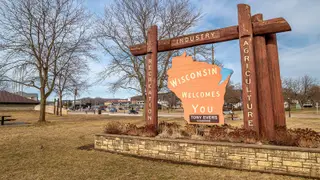
The United States has reported 10 measles-related deaths as of November 12, 2026, with Wisconsin and Pennsylvania each recording two additional fatalities. Over 5,400 cases have been confirmed nationwide, nearly all in unvaccinated individuals, raising concerns about the country losing its measles elimination status. The Pan American Health Organization is expected to decide soon whether sustained transmission has lasted over a year.
As of November 12, 2026, the United States has reported 5,412 confirmed measles cases and 10 measles-related deaths, with Wisconsin and Pennsylvania each recording two additional fatalities. Wisconsin’s latest death involved an unvaccinated child, marking its first such fatality since 1990 and bringing its total case count to 649 since August. Pennsylvania reported a death among an unvaccinated resident, raising its total to seven deaths from 1,542 cases—the highest in the nation. New York has recorded one death among 210 cases, while the CDC confirmed six deaths nationally—though state reports indicate a higher total. Nearly all cases (97%) have occurred in unvaccinated individuals. The surge threatens to end the U.S.’s measles elimination status, first achieved in 2000, as the Pan American Health Organization (PAHO) is expected to decide imminently whether sustained transmission has lasted over a year. This decision hinges on whether outbreaks have persisted without interruption since at least November 2025. The current crisis follows years of declining vaccination rates, with CDC data showing only 92.4% of kindergarten students receiving the MMR vaccine in 2025–2026—down from 95% before the pandemic, the threshold for herd immunity. Under Health Secretary Robert F. Kennedy Jr., a known anti-vaccine activist, public health messaging has been marred by skepticism about vaccine safety. The CDC’s controversial recommendation to administer MMR and varicella vaccines separately, along with proposed plans by the Trump administration to split the MMR into three individual shots, could further erode confidence and reduce uptake. What remains unresolved is PAHO’s final determination on elimination status, which will influence global health policy and U.S. public health standing.
The resurgence of measles in the U.S. could undermine public trust in national immunization programs and strain healthcare systems already burdened by pandemic-era disruptions. Unvaccinated individuals, particularly children and vulnerable populations with compromised immunity, are at highest risk, but even those who are vaccinated may face increased exposure due to weakened herd immunity. The broader impact includes potential ripple effects on school attendance, travel policies, and international health cooperation, especially given PAHO’s role in regional disease surveillance. This situation echoes the 2019 measles outbreak, which saw over 1,200 cases and highlighted how vaccine hesitancy can rapidly reverse public health gains. However, today’s crisis is compounded by high-level political influence on vaccine policy, raising concerns about institutional credibility. If PAHO revokes U.S. elimination status, it may prompt stricter travel or quarantine measures for American travelers in regions with active transmission. The long-term risk includes a normalization of preventable disease outbreaks, which could weaken public health infrastructure and increase the likelihood of future pandemics. What to watch for next is not just PAHO’s decision but how federal and state governments respond—whether through renewed education campaigns, policy reforms, or enforcement measures. The outcome may shape vaccine acceptance for years to come.