US Loses Measles Elimination Status After Reestablished Endemic Transmission
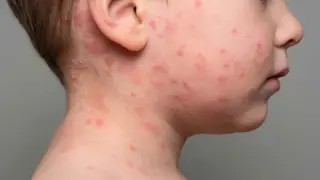
The Pan American Health Organization (PAHO) has officially revoked the United States' measles elimination status due to sustained endemic transmission, marking a significant public health setback. The CDC reported over 5,400 measles cases in 2026, with 96% linked to outbreaks and 11% requiring hospitalization, including six preliminary deaths. This loss follows Canada's similar status withdrawal in 2025, ending the Americas' designation as a measles-free region.
The Pan American Health Organization (PAHO) has formally removed the United States from its list of countries with measles elimination status, citing sustained endemic transmission of the virus. This designation marks a major reversal in public health progress, as the U.S. had previously maintained elimination status since 2000. In 2026, the Centers for Disease Control and Prevention (CDC) reported more than 5,400 confirmed measles cases, with 96% associated with outbreaks and 11% requiring hospitalization. Preliminary data also indicate six deaths linked to the disease, underscoring the severity of the resurgence. The loss of elimination status follows a similar decision for Canada in 2025, effectively ending the Americas’ designation as a region free of endemic measles transmission. The shift reflects a breakdown in herd immunity, likely driven by declining vaccination rates and localized outbreaks in communities with low immunization coverage.
The background to this development includes years of declining vaccination rates, particularly in certain regions and demographic groups, fueled by misinformation and vaccine hesitancy. The CDC and PAHO had previously warned of the risks posed by under-immunized populations, but sustained transmission in 2026 has now validated those concerns. The organizations involved—PAHO and the CDC—are responsible for monitoring and responding to infectious disease threats; their actions reflect a formal recognition of the failure to maintain elimination. The U.S. public health system now faces scrutiny over its ability to prevent and contain outbreaks, especially in the face of persistent misinformation and fragmented local health responses.
What remains unresolved is the long-term impact on global disease control efforts and the potential for further spread across international borders. The next steps may include intensified vaccination campaigns, policy reforms to improve immunization rates, and increased surveillance. It is not yet known how quickly the U.S. can reestablish elimination status or whether new federal or state-level interventions will be implemented. The situation also raises questions about the sustainability of elimination goals in the face of global vaccine hesitancy and uneven health infrastructure.
The loss of measles elimination status in the U.S. could undermine public confidence in national immunization programs and exacerbate health disparities, particularly in communities with historically low vaccination rates. Families in under-resourced areas may face increased risks of exposure, while healthcare systems could experience strain from rising hospitalizations and outbreak response demands. Schools, daycare centers, and public institutions may need to implement stricter health protocols, potentially disrupting daily life. The broader impact may extend to travel and international health cooperation, as countries may reassess entry requirements or quarantine policies for travelers from the U.S. A comparable precedent is the 2019 measles outbreak in the U.S., which saw over 1,200 cases and prompted renewed calls for vaccination mandates. That episode highlighted how localized outbreaks can rapidly escalate without strong public health infrastructure. The current situation may signal a deeper systemic challenge, where misinformation and political resistance to public health measures hinder progress. Moving forward, the response may depend on whether federal and state governments prioritize vaccine access and education. The next indicators to watch include vaccination coverage rates, outbreak containment timelines, and shifts in public trust—any of which could influence future disease control strategies.