Verizon Launches Private 5G Network at Thames Freeport for Industrial Use
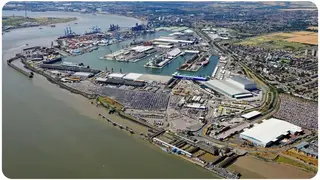
Verizon has completed the deployment of a private 5G network at Thames Freeport in the UK, enabling high-speed, low-latency connectivity for logistics and industrial operations. The network supports real-time data exchange and automation across the port’s infrastructure. This rollout marks a significant step in expanding enterprise-grade 5G solutions in European industrial zones.
Verizon has deployed a private 5G network at Thames Freeport in the United Kingdom, marking a pivotal advancement in industrial connectivity within European logistics hubs. The network is designed to deliver high-speed, low-latency communication tailored for real-time data exchange and automation across the port’s infrastructure. While specific deployment dates or technical specifications such as bandwidth or coverage area are not detailed, the rollout underscores Verizon’s growing focus on enterprise-grade 5G solutions beyond consumer markets. Thames Freeport, located in the UK, serves as a strategic industrial zone where efficient operations depend on seamless digital integration. This initiative aligns with broader efforts to modernize port logistics through advanced telecommunications infrastructure.
The development follows increasing global interest in private 5G networks for industrial applications, particularly in sectors requiring reliable, secure, and high-performance connectivity. Verizon’s move reflects a strategic shift toward serving large-scale commercial clients rather than solely end consumers. The company likely aims to position itself as a leader in industrial digital transformation across Europe. Meanwhile, Thames Freeport, as an operational entity, stands to benefit from enhanced efficiency, reduced downtime, and improved coordination among automated systems. However, the long-term scalability of this deployment beyond the current site remains unconfirmed. What is not yet known includes whether other ports or industrial zones in the UK or EU will follow suit, or how regulatory frameworks may evolve to support such infrastructure.
This deployment could signal a broader shift toward digitally enabled industrial ecosystems across Europe, where private 5G networks become foundational for smart logistics and manufacturing. Workers at sites like Thames Freeport may see changes in job roles as automation increases, potentially raising concerns about workforce adaptation. Meanwhile, companies managing supply chains may benefit from faster data processing, reducing delays and improving inventory tracking. A comparable earlier case is the rollout of private 5G networks at ports in South Korea and Germany, which demonstrated measurable gains in throughput and operational visibility. However, widespread adoption may depend on cost-effectiveness and interoperability standards across regions. What to watch for next includes whether this model attracts similar investments in other European industrial zones or if regulatory hurdles emerge around spectrum allocation and data sovereignty.