Lewis Hamilton Condemns Former F1 Drivers for Dismissing Young Talent
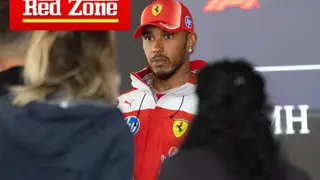
Lewis Hamilton, driving for Ferrari, criticized retired Formula 1 drivers for making dismissive remarks about emerging young stars. He expressed pride in the new generation of talent and urged former racers to support rather than undermine them.
Lewis Hamilton, currently competing for Ferrari in Formula 1, has publicly criticized several retired F1 drivers for making dismissive comments about emerging young talent in the sport. His remarks come amid growing debate over how veteran athletes and former champions engage with the next generation of competitors. While specific names of the retired drivers are not mentioned, Hamilton emphasized that their public skepticism undermines efforts to nurture new talent. He expressed pride in the current wave of young racers, highlighting their skill, adaptability, and potential to elevate the sport. Hamilton called on former champions to shift from criticism to mentorship, arguing that support rather than dismissal fosters a healthier competitive environment.
The context for this statement likely stems from recent public remarks by retired F1 drivers—though unnamed—that questioned the readiness or capability of younger drivers to succeed at the highest level. Such commentary has sparked discussion about generational divides in motorsport and the role of legacy figures in shaping the sport’s culture. Hamilton, known for his advocacy on diversity and inclusion within F1, positions himself as a bridge between eras, promoting unity and opportunity. His current team, Ferrari, is also undergoing a transition phase with younger drivers in its lineup, which may influence his stance.
The individuals involved include Hamilton himself, representing both his personal values and the evolving ethos of modern F1, and retired drivers whose public comments have drawn backlash. The broader organizations affected are Formula 1 as a governing body and motorsport media outlets that amplify such debates. What remains unresolved is whether this criticism will prompt a shift in how former athletes engage with current competitors, or if it will deepen existing divisions. It is also unclear whether Ferrari or other teams will respond formally to the remarks.
Hamilton’s public rebuke could influence how veteran athletes are perceived in motorsport and beyond, particularly as younger generations increasingly demand inclusive and supportive leadership. His stance may encourage more seasoned figures across sports to reflect on their role in mentoring rather than marginalizing newcomers. The impact may ripple through fan engagement, with audiences favoring narratives of collaboration over rivalry, especially in high-stakes environments like Formula 1. Comparable cases include Michael Jordan’s later advocacy for younger NBA players or Serena Williams’ efforts to uplift emerging tennis talent—both examples where legacy figures used their platform to elevate others. The broader effect may be a subtle cultural shift within elite sports, where the value of experience is balanced with recognition of new voices. Media coverage of such debates could amplify calls for institutional change in how athletes are evaluated across generations. What to watch for next is whether other retired drivers respond or if F1 management addresses the issue through official statements or policy. The outcome may shape how future talent is welcomed into elite competition, potentially affecting sponsorship, team dynamics, and public perception of the sport’s inclusivity.