Sergio Perez Urges Cadillac F1 Team to Accelerate Progress
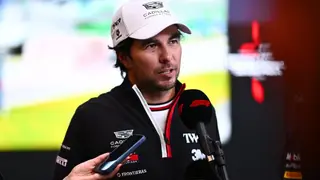
Sergio Perez expressed strong optimism about Cadillac's future in Formula 1, criticizing the team's earlier lack of urgency. He noted that some team members seemed content simply being part of the sport rather than striving for competitiveness. Perez emphasized the need for greater ambition and faster development to achieve success.
Sergio Perez, the Mexican Formula 1 driver, has publicly urged the Cadillac F1 team to accelerate its development pace, expressing concern over the team’s earlier lack of urgency. While no specific dates, performance metrics, or team member names were provided, Perez highlighted a perceived complacency among some team personnel who appeared satisfied merely participating in the sport rather than aiming for competitive results. His comments come at a critical juncture as Cadillac prepares for its official entry into Formula 1, a move that marks a significant expansion of the sport’s global footprint and a major investment by General Motors. The team’s ambition to become a top-tier competitor is now under scrutiny, with Perez’s remarks serving as a direct challenge to internal priorities. The background to this moment includes Cadillac’s long-standing interest in motorsport, particularly in endurance racing, and the broader context of new teams entering Formula 1 with high expectations but limited immediate success. Perez, known for his strategic insight and experience with multiple teams, is positioning himself as a voice demanding accountability and faster progress. The Cadillac F1 team, as a new entrant, must balance long-term development with the immediate need to show competitive potential. What remains unresolved is whether the team will respond to Perez’s call with concrete changes in strategy or resource allocation, and how this dynamic might influence the team’s overall trajectory in its inaugural seasons.
Perez’s remarks could signal a growing demand for accountability from established drivers in new teams, especially as Formula 1 continues to expand with new entrants like Cadillac. This may affect how teams manage internal culture and performance expectations, particularly when high-profile drivers are involved. The broader motorsport community may take note of how new teams balance ambition with execution, potentially influencing sponsorship decisions and fan engagement. A comparable case is the early years of Haas F1, where driver feedback played a role in shaping team development despite limited resources. If Cadillac’s response to Perez’s comments is perceived as dismissive, it could impact team morale and public perception. Conversely, a proactive shift may strengthen the team’s credibility. What to watch for is whether other drivers or team personnel echo similar concerns, and how the FIA or Formula 1 management might respond to such public critiques. The long-term impact on team cohesion and competitive performance remains uncertain.