Moldova bars Transnistrian leader Vadim Krasnoselsky from exiting the country after he receives Russian honor in Moscow
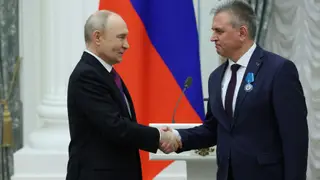
Vadim Krasnoselsky, the de facto leader of Russia-occupied Transnistria, was awarded the Order of Honor by Russian President Vladimir Putin during a Kremlin ceremony on November 4, 2026. Upon returning to Moldova on November 15, authorities imposed a five-year ban on his departure through state border crossings. The move follows Moldova's ongoing efforts to counter Russian influence and destabilization attempts aimed at blocking its EU integration path.
On November 4, 2026, Vadim Krasnoselsky, the de facto leader of Transnistria—a breakaway region in eastern Moldova—was awarded Russia’s Order of Honor by President Vladimir Putin during a Kremlin ceremony marking National Unity Day. Returning to Moldova on November 15, Krasnoselsky was immediately barred from exiting the country through official border crossings for five years by Moldovan authorities. The move followed a formal statement by Moldova’s Reintegration Policies Bureau, which had previously signaled it would assess response measures without escalating tensions. Krasnoselsky, who has led Transnistria since 2016, was seen as a key figure in Russia’s ongoing efforts to maintain influence over the region, which remains internationally recognized as part of Moldova despite being under Russian military and political control since the early 1990s. His visit to Moscow and subsequent award underscored the deepening integration between Transnistria and Russia, raising concerns in Chisinau about foreign interference. The Moldovan government, aiming to advance its EU accession process, has consistently accused Moscow of destabilizing activities, including election meddling and support for separatist movements. While Krasnoselsky traveled to Tiraspol after arriving in Chisinau, his restricted movement reflects a broader strategy by Moldova to limit the reach of pro-Russian figures within its territory.
Moldova’s decision to bar Krasnoselsky from leaving the country could signal a hardening stance against Russian influence, particularly as the nation seeks closer ties with the European Union. This move may strengthen domestic unity around EU integration but risks further straining relations with Moscow and potentially provoking retaliatory actions in Transnistria or along the border. The broader impact could include increased surveillance of pro-Russian actors within Moldova’s political and administrative systems, affecting civil liberties and regional stability. Comparable to Ukraine’s crackdown on separatist leaders after 2014, this action reflects a pattern of states asserting sovereignty over contested regions through legal and administrative means. However, unlike Ukraine, Moldova has not declared military control over Transnistria, making such measures more symbolic than enforceable without international backing. The long-term effect may depend on whether the EU supports Moldova’s reintegration efforts with financial or diplomatic tools. What remains uncertain is how Russia will respond—whether through economic pressure, cyber operations, or further destabilization in Transnistria—and whether Krasnoselsky’s restricted status could lead to internal dissent among Transnistrian elites.