Two Killed, Dozens Injured in Coordinated Russian Drone Attacks on Ukrainian Cities and Infrastructure
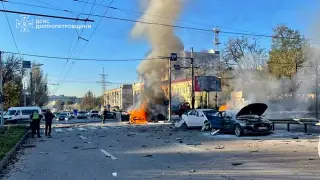
On November 16, 2026, Russian forces launched a series of drone strikes across Ukraine, resulting in two fatalities and at least twelve injuries. The attacks targeted Dnipro and Zaporizhzhia, with additional damage reported to energy facilities in Cherkasy and critical infrastructure in Vinnytsia and Odesa. Emergency services responded to multiple incidents, including fires from struck vehicles and damaged industrial sites.
On November 16, 2026, coordinated Russian drone attacks struck multiple Ukrainian cities and infrastructure sites, resulting in two deaths and at least twelve injuries. The assaults targeted Dnipro and Zaporizhzhia in central and southern Ukraine, where one person died and ten were injured in Dnipro following a strike on an unspecified site, with vehicles catching fire. In Zaporizhzhia, a woman was killed and two others wounded during an attack on a district infrastructure facility, also causing a vehicle fire. Additional strikes damaged energy facilities in Cherkasy, disrupting power supply, while Vinnytsia and Odesa saw attacks on critical infrastructure and residential areas, respectively. Ukrainian air defenses intercepted 131 of 158 drones launched overnight, including 77 jet-powered Shahed-type UAVs, Gerbera, and Parodiya models. Debris from downed drones fell in 11 locations, and the attack remained ongoing as more drones were reported in airspace. The strikes occurred amid a broader campaign targeting Ukraine’s energy grid ahead of winter, following earlier attacks on Kyiv and Sumy regions that President Volodymyr Zelensky had criticized for slow repair progress. These incidents reflect a sustained Russian strategy to degrade civilian infrastructure and undermine morale.
The background includes escalating drone warfare since 2022, with Moscow increasingly relying on low-cost, high-volume UAVs to overwhelm defenses. Ukrainian officials, including regional governors and the Air Force, have repeatedly warned of intensified attacks during colder months. The involvement of specific drone models like Shahed indicates continued Russian supply chains and tactical adaptation. Ukraine’s response includes bolstering air defenses and developing alternative communication systems, such as Starlink alternatives. What remains unresolved is the long-term resilience of Ukraine’s infrastructure under repeated assault, especially with repair efforts lagging. The future may see further strikes during winter, potentially affecting energy access and public safety, while international support for defense and reconstruction will likely remain a critical factor.
The attacks on November 16 could deepen civilian hardship in Ukraine, particularly as winter approaches and energy infrastructure remains vulnerable. Residents in affected cities like Dnipro, Zaporizhzhia, and Odesa may face prolonged power outages, impacting heating, medical services, and daily life. The psychological toll of repeated strikes—especially on non-combatants—may grow, potentially affecting morale and migration patterns. Second-order effects include strain on emergency services, delays in reconstruction, and possible inflationary pressures on repair materials. Comparable to the 2022 Russian bombardment of Kyiv’s energy grid, this campaign may be designed to erode public confidence rather than achieve immediate military gains. The international community may respond with increased aid or sanctions, though effectiveness remains uncertain. What to watch for includes whether Ukraine can maintain critical infrastructure resilience, how quickly repairs are completed, and whether further drone campaigns escalate in scale or shift targeting—especially toward transportation or communication hubs.