Arctic Microbes May Harness Sunlight and Carbon Dioxide Differently Than Previously Thought
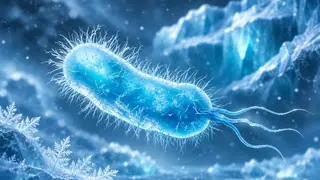
Genetic analysis of an Arctic bacterium suggests it may use sunlight and carbon dioxide in an unexpected metabolic pathway, potentially enabling survival in nutrient-poor ocean environments. This discovery raises the possibility that similar strategies exist in other remote marine ecosystems. The findings could reshape understanding of how life persists in extreme conditions.
Genetic analysis of an Arctic bacterium has revealed a metabolic pathway that may allow it to utilize sunlight and carbon dioxide in a manner distinct from previously understood mechanisms. While the specific name of the bacterium, location of the sample, or precise genetic sequences are not detailed in the available information, the findings suggest a novel strategy for energy acquisition in nutrient-scarce marine environments. This discovery challenges existing models of microbial metabolism in extreme conditions, particularly in the cold, dark waters of the Arctic Ocean where resources are limited. The implications extend beyond the Arctic, raising the possibility that similar metabolic adaptations may exist in other remote marine ecosystems, such as deep-sea vents or polar ice shelves.
The background for this discovery lies in ongoing research into how life persists in extreme environments. Scientists have long studied extremophiles—organisms thriving in harsh conditions—but the mechanisms by which they fix carbon and harvest energy remain partially unknown. Previous studies have documented photosynthetic activity in some marine microbes, but these typically rely on known pathways like those in cyanobacteria. This new finding suggests a deviation from those pathways, potentially indicating a previously unrecognized form of phototrophy. The research team, though unnamed, likely includes marine biologists and geneticists from institutions focused on polar science or microbial ecology. Their goal is to understand the limits of life and how organisms adapt to environmental stressors, which may inform broader ecological and climate models.
What remains unresolved is whether this metabolic pathway is widespread among Arctic microbes or unique to a single strain. Further studies are needed to confirm the mechanism in controlled environments and determine its ecological significance. The next steps may involve culturing the bacterium, sequencing its full genome, and testing its metabolic activity under varying light and nutrient conditions.
This discovery could reshape how scientists interpret the role of microbes in global carbon cycles, particularly in polar regions where climate change is accelerating. If such metabolic strategies are common, they may contribute more significantly to carbon fixation than previously assumed, influencing climate models that rely on current estimates of biological productivity. Marine biotechnology companies may take interest in these microbes for industrial applications, such as biofuel production or carbon capture technologies, though such uses remain speculative at this stage. A comparable case is the 2005 discovery of the first known archaea capable of ammonia oxidation in deep-sea environments, which transformed understanding of nitrogen cycling and led to new bioremediation techniques. Similarly, this finding may prompt reevaluation of how energy flows through marine ecosystems. What to watch for is whether follow-up research confirms the metabolic pathway across multiple species, and whether institutions like the National Science Foundation or European Polar Institutes fund expanded studies. The broader impact may be a shift in how we define the boundaries of life and its adaptability in a changing climate.