Bitcoin Edges Up Slightly Amid Fed Rate Hike Expectations
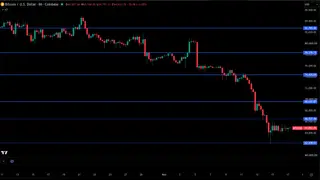
Bitcoin rose 1.41% from Monday to Tuesday morning, closing at $65,001, but remained below its 200-week moving average. Market participants priced in a high likelihood of a December Federal Reserve rate hike, contributing to ongoing selloffs in tech stocks, including those in Asia ahead of Nvidia’s earnings report. Spot Bitcoin exchange-traded funds also saw outflows after a seven-day streak.
Bitcoin edged up 1.41% from Monday to Tuesday morning, closing at $65,001 on November 17, 2026, but remained below its 200-week moving average, signaling continued weakness in long-term market sentiment. This modest rebound occurred amid heightened expectations for a December Federal Reserve rate hike, which investors priced as highly likely. The anticipated tightening of monetary policy weighed on risk assets, triggering selloffs in technology stocks—particularly in the U.S. and Asia—amid anticipation of Nvidia’s upcoming earnings report. Spot Bitcoin exchange-traded funds (ETFs), which had seen seven consecutive days of inflows, reversed course with outflows, indicating a shift in institutional investor sentiment. The broader market environment reflects growing concern that rising interest rates could reduce demand for non-yielding assets like Bitcoin, especially as central bank policy moves toward tighter financial conditions. Key players include the Federal Reserve, whose rate decisions directly influence global capital flows; tech firms like Nvidia, whose earnings are seen as bellwethers for the sector; and asset managers overseeing spot Bitcoin ETFs, who are adjusting portfolios based on macroeconomic signals. What remains unresolved is whether the current price action reflects a temporary correction or the start of a deeper bearish trend, particularly as investors await clearer guidance from the Fed and Nvidia’s earnings release.
The modest rise in Bitcoin amid looming rate hikes underscores how digital assets remain sensitive to macroeconomic shifts, even as they are increasingly institutionalized. Investors may be testing whether Bitcoin can withstand higher interest rates without collapsing, a test that could shape long-term adoption by hedge funds and pension managers. The selloff in tech stocks—especially in Asia—suggests that risk aversion is spreading beyond traditional markets, potentially affecting venture capital funding and startup valuations. A comparable earlier case is the 2018 crypto winter, when rising rates and a strong dollar led to prolonged bear markets; however, this time, ETFs and greater regulatory clarity may cushion some volatility. Still, if rate hikes persist into 2027, Bitcoin could face sustained downward pressure, especially if institutional outflows continue. What to watch for next is whether spot ETF inflows resume after the earnings report or if broader market stress triggers a flight to safety in traditional assets. The outcome may influence how central banks view crypto as a financial asset class in future policy discussions.