Bitcoin Retreats as Rate Hikes and Asian Tech Sell-Off Continue
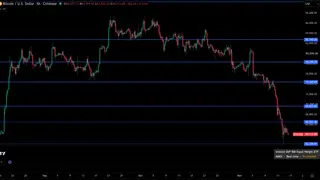
Bitcoin declined from Sunday to Monday morning, settling near $64,000, as markets priced in a prolonged Federal Reserve rate-hiking cycle. The selloff extended to Asian chip stocks ahead of Nvidia’s upcoming earnings report, while gold also fell to a one-year low. Despite this, Strategy and Strive disclosed minor purchases, overshadowed by larger preferred-stock repurchases.
Bitcoin declined from Sunday to Monday morning, settling near $64,000 amid growing market expectations of a prolonged Federal Reserve rate-hiking cycle. This shift coincided with a broader sell-off in Asian semiconductor stocks, particularly ahead of Nvidia’s upcoming earnings report on Tuesday, which has drawn significant investor attention due to its dominant position in AI chip markets. Gold also fell to a one-year low, reflecting a flight from safe-haven assets as risk appetite waned. Despite the downturn, Strategy and Strive disclosed minor cryptocurrency purchases, though these were overshadowed by larger repurchases of preferred stock, indicating a strategic reallocation of capital within the firm. The timing of these moves suggests that while some institutional players remain cautiously optimistic about digital assets, their primary focus remains on strengthening balance sheets through debt or equity restructuring. The broader market context—marked by elevated interest rates and heightened sensitivity to tech earnings—has created a challenging environment for high-beta assets like Bitcoin and growth-oriented equities.
The recent Bitcoin dip and broader tech selloff could signal a shift in investor sentiment toward risk aversion, particularly as rate hikes extend into 2027. Investors in emerging markets and tech-dependent economies may feel increased pressure, as rising borrowing costs and falling equity values affect both consumer spending and corporate investment. The Asian chip sell-off, especially ahead of Nvidia’s report, may foreshadow broader concerns about AI sector valuations, echoing the dot-com bubble’s overvaluation phase, though current fundamentals differ. If Nvidia’s earnings disappoint, the ripple effect could extend to global semiconductor supply chains and cloud infrastructure firms. Meanwhile, gold’s drop to a one-year low may indicate a weakening safe-haven demand, potentially reflecting confidence in central bank policies or a broader shift toward higher-yielding assets. What remains uncertain is whether Bitcoin’s current level represents a temporary correction or the start of a sustained bearish trend, particularly as macroeconomic pressures persist. Monitoring Fed commentary and corporate earnings in the coming weeks will be critical.