DoGo Power Launches Solar and Battery Project in Indonesia Cutting Costs by 81%
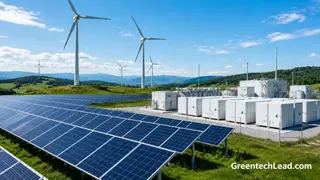
DoGo Power has commissioned a 1 MW solar and 2 MW/4 MWh battery energy storage system on Pagerungan Kecil Island in Indonesia, supplying over 2,000 households with more than 20 hours of electricity daily. The project reduced electricity costs by 81% compared to previous diesel-based generation, which consumed up to 40% of household incomes. It is expected to deliver over 26 million kWh of electricity over its lifetime and avoid more than 22,000 tonnes of CO₂ emissions.
DoGo Power has commissioned a 1 MW solar photovoltaic system paired with a 2 MW/4 MWh battery energy storage system on Pagerungan Kecil Island, Indonesia, marking a major shift from diesel-based power generation. The project, operational as of November 2026, now delivers over 20 hours of electricity daily to more than 2,000 households—up from just 3–6 hours previously. This transition has slashed electricity costs by 81%, reducing prices from an average of $0.35/kWh under diesel to significantly lower levels, freeing up 25–40% of household income previously spent on energy. The system’s grid-forming capability enables stable power delivery, supported by 7,300 equivalent annual utilization hours and projected lifetime output exceeding 26 million kWh. It is also expected to avoid over 22,000 tonnes of CO₂ emissions. The battery containers used are compact, weighing under 22 tonnes each. This project reflects broader Indonesian government plans to deploy similar solar-storage systems across 80,000 villages. DoGo Power’s initiative demonstrates a scalable model for remote island communities, though no further deployment timelines or investment figures were disclosed in the announcement.
This project could significantly improve energy equity and economic resilience in off-grid Indonesian communities, where high electricity costs have long constrained household spending and development. By replacing diesel with solar-plus-storage, DoGo Power may set a precedent for similar microgrid deployments across Southeast Asia’s archipelago nations, potentially reducing reliance on imported fuel and lowering carbon emissions at scale. The success of this model may influence regional energy policy, encouraging governments to prioritize decentralized renewable systems over centralized fossil-fuel infrastructure. Comparable cases include successful solar microgrids in the Philippines and Bangladesh, where similar cost reductions and reliability improvements have been documented. However, long-term sustainability depends on maintenance capacity, local technical expertise, and continued investment. What remains uncertain is whether DoGo Power will expand beyond Pagerungan Kecil or if Indonesia’s national rollout plan will materialize with sufficient funding and coordination. Monitoring future project rollouts and performance data will be key to assessing broader replication potential.