Fourth Partner Energy Secures Largest Gujarat Deal with 45 MW Wind-Solar Hybrid Project for GACL
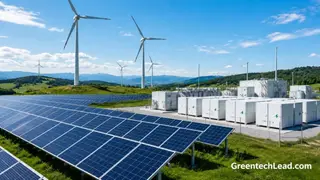
Fourth Partner Energy has signed a major agreement with Gujarat Alkalies and Chemicals Limited to deliver 45 MW of hybrid wind-solar power in Mota Agariya, Gujarat. The project combines 19.8 MW of wind capacity with 25 MWp of solar, expected to generate over 99 million units annually, with GACL acquiring a 26% stake in the project company. This marks Fourth Partner Energy's largest contract in Gujarat.
Fourth Partner Energy has secured its largest project to date in Gujarat by signing a 45 MW wind-solar hybrid power agreement with Gujarat Alkalies and Chemicals Limited (GACL) for a facility in Mota Agariya. The project combines 19.8 MW of wind capacity with 25 MWp of solar photovoltaic generation, expected to produce over 99 million units annually. GACL will consume the power through a captive arrangement, while acquiring a 26% stake in the project company, FPEL Bhanu, by purchasing 2,600 shares for ₹26,000 on November 13, 2026. The agreements executed include a share purchase agreement, shareholders’ agreement, and power consumption contracts, formalizing both ownership and energy delivery mechanisms. This marks a significant step in India’s push toward industrial decarbonization, as large consumers like GACL increasingly seek clean energy to meet sustainability goals.
The development follows growing momentum in India’s renewable sector, particularly in Gujarat, which has emerged as a hub for hybrid projects due to favorable wind-solar resource profiles and supportive policy frameworks. Fourth Partner Energy, known for its focus on distributed and hybrid renewables, is expanding its footprint through strategic partnerships with industrial players. GACL, a major chemical manufacturer, likely sees this move as part of broader corporate sustainability commitments and long-term cost stability in energy procurement. The project’s success may influence other industrial firms to adopt similar models, especially as India aims to achieve 500 GW of non-fossil capacity by 2030.
What remains unresolved is the full timeline for commissioning, despite the November 13 signing. While Tata Power’s Shirwata pumped storage project has a 51-month completion target, no such schedule is mentioned here. Additionally, the financial structure beyond GACL’s equity stake—such as debt financing or government incentives—is not detailed in the report. The long-term operational performance and grid integration challenges of hybrid systems in Gujarat also remain to be seen.
This project could signal a broader shift toward industrial self-sufficiency in clean energy, particularly among energy-intensive sectors like chemicals and manufacturing. By securing a direct stake in renewable generation, GACL may reduce exposure to volatile power prices and enhance its ESG profile—potentially improving access to green finance and international markets. The model may inspire similar captive arrangements across India’s industrial corridor, especially as corporate net-zero commitments gain traction. Comparable to earlier cases such as Reliance Industries’ investments in solar for its refineries, this deal reflects a trend where large consumers bypass traditional utilities to directly source renewables. If successful, it could strengthen decentralized energy markets and reduce strain on the national grid. However, scalability depends on regulatory clarity, grid access, and financing availability—factors not yet confirmed here. What to watch for next is whether other industrial players in Gujarat or beyond will follow suit, and how policymakers respond to this growing trend of corporate-led renewable deployment.