Microgrids Offer Reliable Power in Wildfire-Prone Regions During Grid Shutdowns
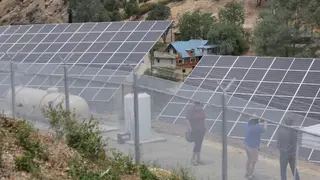
In regions vulnerable to wildfires, utility companies often cut power during high-risk conditions, leaving residents without electricity for days. Microgrids—localized energy systems with solar panels and battery storage—can operate independently from the main grid, providing continuous power during outages. This technology helps maintain essential services while reducing fire risk from downed power lines.
In December of the previous year, residents of Boulder, Colorado, experienced a five-day power outage due to heightened wildfire risk, a precautionary measure taken by utility providers during extreme weather conditions. Cameron Brooks, a representative from the advocacy group Think Microgrid, highlighted this event as a critical example of how traditional grid operations can disrupt daily life despite their intent to prevent fires. The outage occurred when high winds and dry vegetation created dangerous conditions, prompting utilities to de-energize vulnerable power lines—though this action left homes without electricity for extended periods. In response, microgrids have emerged as a viable alternative: localized energy systems combining solar panels and battery storage that can disconnect from the main grid and operate autonomously. These systems allow communities to maintain essential services such as refrigeration, heating, and communication during outages, even when the broader grid is shut down for safety.
The underlying issue stems from long-standing utility practices of preemptive power shutoffs in fire-prone regions, a strategy intended to reduce ignition risks but often resulting in significant inconvenience and hardship. Think Microgrid, along with other stakeholders, advocates for integrating microgrids into high-risk zones as a way to reconcile public safety with energy reliability. The organization sees this technology not only as a resilience tool but also as a means to expand renewable energy use by enabling decentralized, clean power generation. While the article does not specify whether Boulder or other communities have implemented such systems yet, the potential for wider adoption remains untested at scale. What is not yet known includes the cost-effectiveness of widespread microgrid deployment, regulatory hurdles, and long-term maintenance challenges.
Microgrids could significantly enhance community resilience in wildfire-prone areas by decoupling local power needs from vulnerable transmission infrastructure. Residents who rely on consistent electricity for medical devices, refrigeration, or communication may benefit directly from uninterrupted service during grid shutdowns. This shift may also reduce economic losses tied to extended outages and improve emergency preparedness. On a broader scale, the adoption of microgrids could accelerate the transition to renewable energy by promoting localized solar and storage solutions, potentially reducing reliance on fossil-fuel-based backup generators. However, challenges remain: high initial installation costs, regulatory barriers, and the need for coordinated planning between utilities, local governments, and private developers. A comparable earlier case is the use of microgrids in Puerto Rico after Hurricane Maria, where decentralized systems proved critical during prolonged outages. The current situation may follow a similar trajectory, with pilot projects in places like Boulder serving as test cases. What to watch for next includes whether utilities will partner with community groups to fund or co-develop microgrid infrastructure, and how state policies might evolve to support such innovations.