Supreme Court Denies Review in DEI and Gun Ban Cases, Considers Ten Commandments Displays
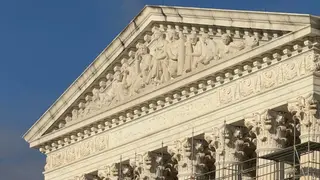
The Supreme Court declined to review multiple high-profile cases, including challenges to diversity, equity, and inclusion (DEI) funding cuts and Maryland’s ban on carrying firearms in sensitive locations. The court also invited the solicitor general to weigh in on lawsuits against the Taliban by victims of terrorist attacks. Meanwhile, the court is considering whether to take up challenges to Ten Commandments displays in Texas and Louisiana, following the 1980 precedent in Stone v. Graham.
The Supreme Court declined to review two high-profile cases involving diversity, equity, and inclusion (DEI) initiatives and a Maryland gun ban, signaling continued deference to lower court rulings on these contentious issues. The DEI-related cases stem from challenges by University of California scholars over reduced research funding and California physicians opposing diversity mandates in continuing medical education. Separately, the Court passed on reviewing Maryland’s law banning firearms in “sensitive places,” a statute that has drawn Second Amendment scrutiny. Meanwhile, the Court invited the U.S. solicitor general to weigh in on three lawsuits filed by victims of Taliban-related terrorist attacks seeking redress, highlighting the government’s role in foreign liability matters. The Court is also reconsidering the constitutionality of Ten Commandments displays in Texas and Louisiana, directly confronting the 1980 precedent in Stone v. Graham, which ruled that posting the Ten Commandments in public school classrooms violated the Establishment Clause due to its lack of secular purpose. The current cases involve similar displays in public spaces, raising questions about the line between religious expression and government endorsement. The justices have not yet decided whether to grant certiorari, but the invitation to the solicitor general suggests the Court is actively assessing the legal and constitutional implications.
The Court’s refusal to review the DEI and gun cases may signal a broader trend of deferring to lower courts on divisive social policy issues, potentially delaying definitive rulings on the scope of federal authority in education and public safety. The pending Ten Commandments cases could reshape how religious symbols are treated in public spaces, with implications for state and local governments seeking to display religious content. A decision in favor of the displays could embolden similar efforts nationwide, while a reversal would reinforce the precedent set in Stone v. Graham. The solicitor general’s input in the Taliban lawsuits may influence how courts interpret the reach of U.S. jurisdiction over foreign actors in civil litigation, potentially affecting future victim compensation claims. Comparable to the 2005 case Van Orden v. Perry, where the Court upheld a Ten Commandments monument in Texas, this case could reflect a shifting judicial tolerance for religious displays, depending on context and history. What remains uncertain is whether the Court will use this opportunity to clarify the Establishment Clause’s application in public monuments, or if it will avoid a major decision until a more definitive case arises.