High-stakes cases on transgender military ban, Ten Commandments displays, and prediction markets may be heard this term
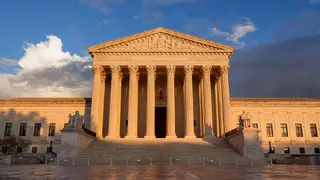
With the Supreme Court’s final argument session set for April 19, justices are reviewing petitions on several high-profile issues, including the Trump administration’s ban on transgender military service members, state laws mandating Ten Commandments displays in public schools, and the legal status of prediction markets such as Kalshi. These cases are among the most significant still pending, with decisions likely to shape national policy on civil rights, religious expression, and financial regulation. The court must grant review by mid-January to include them in the current term’s docket.
The Supreme Court faces a critical deadline in mid-January to decide whether to hear three high-stakes cases with far-reaching implications. Among them is United States v. Shilling, which stems from a January 2025 executive order by President Donald Trump requiring the Department of Defense to ban individuals with gender dysphoria from military service. The policy, implemented in February 2025, disqualifies those with gender dysphoria or who have undergone medical treatment for it. This led to legal challenges, including United States v. Talbott, filed by transgender service members and prospective recruits in Washington, D.C., who argue the ban violates their constitutional right to equal protection. A federal judge in D.C. initially blocked the policy in March 2025, but the D.C. Circuit Court of Appeals paused that injunction, allowing limited enforcement against 28 current service members while the case proceeds. The 9th Circuit is currently reviewing Shilling, and the Supreme Court has already paused lower court rulings in the matter. The outcome hinges on whether the justices grant review before mid-January, as cases must be granted by then to be heard during the April 19 argument session. The Solicitor General, D. John Sauer, has appealed the D.C. Circuit’s partial stay, signaling the administration’s intent to defend the ban at the highest level. What remains unresolved is whether the Court will take up the case, and if so, how it will balance military readiness against constitutional rights.
The potential rulings on these cases could significantly reshape national policy on civil rights, religious expression, and financial innovation. A decision upholding the transgender military ban could undermine decades of progress in LGBTQ+ inclusion in the armed forces, potentially affecting recruitment, morale, and military cohesion. It may also set a precedent for how constitutional rights are weighed against government authority in military contexts. The Ten Commandments display cases, though not detailed here, could redefine the boundaries of religious expression in public institutions, echoing the 2005 case of Van Orden v. Perry, where the Court upheld a monument in Texas but struck down a similar one in a school setting. If the Court rules narrowly, it may preserve religious symbolism in limited contexts while curbing broader displays. The prediction market case, involving platforms like Kalshi, could influence how financial innovation is regulated, potentially opening the door for more market-based forecasting tools or imposing stricter oversight. The Court’s decisions may also affect public trust in institutions, especially if they appear to favor political or ideological outcomes. What to watch for next is whether the Court grants review in any of these cases, and how its reasoning might reflect broader shifts in judicial philosophy.