VIOFO A329S Offers 4K Front, 2K Cabin and Rear Recording with Advanced Night Vision
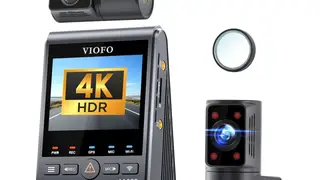
The VIOFO A329S is a three-channel dash cam with 4K front recording, 2K cabin and rear coverage, and Sony STARVIS 2 sensors for superior night performance. It includes a 2.4-inch screen, Wi-Fi 6 connectivity, GPS, and supports up to 4TB external SSD storage. The fisheye cabin lens captures both front seats, making it ideal for rideshare drivers or monitoring teen drivers.
The VIOFO A329S, released in November 2026, stands out as a high-end three-channel dash cam offering 4K front recording, 2K cabin and rear coverage, powered by Sony STARVIS 2 IMX678 and IMX675 sensors. It features a 2.4-inch screen, Wi-Fi 6 connectivity, GPS, and supports up to 4TB of external SSD storage—making it ideal for long-haul drivers, rideshare operators, or parents monitoring teen drivers. The fisheye cabin lens captures both front seats and windows in a 210-degree view, a key feature for professional drivers needing comprehensive in-cabin visibility. Priced at $459.99 on Amazon—$60 below VIOFO’s official retail—the device reflects a broader industry shift toward higher-resolution, multi-channel recording with enhanced night performance. This evolution follows earlier reports highlighting the limitations of standard dash cams in low-light conditions, particularly with headlight glare and plate readability. The inclusion of HDR, polarizers, and advanced sensors like STARVIS 2 marks a significant leap in image quality over just two years, as noted in prior reviews. VIOFO, Garmin, and other manufacturers are now competing on sensor quality, connectivity, and practical features like voice control and parking mode, with pricing reflecting tiered performance. The unresolved question is whether the market will continue to favor premium multi-channel systems or if simpler, more affordable options like the Garmin Mini 3 will gain traction due to their discreet design and lower cost.
The VIOFO A329S and similar high-end dash cams could reshape driver accountability and insurance practices by providing more reliable, detailed video evidence in accidents. With 4K resolution and superior night vision, these devices may reduce disputes over fault, particularly in low-light or high-speed incidents where traditional cameras fail. Rideshare and fleet operators may adopt such systems widely, potentially influencing insurance premiums and safety standards. The broader market may see increased demand for integrated storage and cloud-based retrieval, especially with Wi-Fi 6 and app-based access. A comparable precedent is the rise of in-car dash cams in Japan, where they became de facto standard due to cultural emphasis on accident documentation. However, privacy concerns—especially around cabin recording—may prompt regulatory scrutiny or consumer pushback, particularly in regions with strict data laws. As more drivers adopt these devices, the legal and insurance sectors may adapt by requiring or incentivizing video evidence. What to watch for next is whether automakers begin integrating similar multi-channel systems into factory models, potentially displacing third-party devices. The trend may also influence how courts evaluate evidence, with video quality becoming a key factor in liability rulings.