esVolta Secures $181.2 Million in Financing for Two Texas Battery Storage Projects
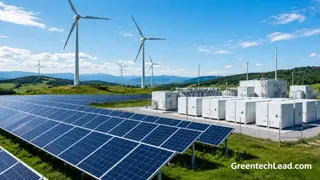
esVolta has closed $181.2 million in financing for two battery storage projects in Texas totaling 290 MW and 580 MWh. MUFG Bank provided $126.1 million for the City Breeze project, while East West Bank supplied $55.1 million in tax equity for City Breeze and the Boxcar project. The projects will serve the ERCOT electricity market and bring esVolta’s total Texas storage capacity to over 1.5 GWh.
esVolta has secured $181.2 million in financing for two battery storage projects in Texas, totaling 290 megawatts (MW) and 580 megawatt-hours (MWh), with operations set to begin in the ERCOT electricity market. The City Breeze project, located in Bay City, Texas, is a 140 MW/280 MWh facility backed by a $126.1 million financing package from MUFG Bank, which includes construction financing, a tax-equity bridge, a letter of credit, and a term loan. The Boxcar project, in Wylie, Texas, is a 150 MW/300 MWh facility receiving $55.1 million in tax-equity financing from East West Bank. These projects bring esVolta’s total Texas storage capacity to over 1.5 gigawatt-hours (GWh), with approximately 2 GWh across its broader portfolio. The financing closure marks a significant milestone in scaling grid-scale energy storage in one of the U.S.’s most dynamic electricity markets.
The development follows growing demand for grid stability and renewable integration in Texas, where solar and wind generation are expanding rapidly. esVolta, a U.S.-based battery storage developer, is positioning itself as a key player in ERCOT’s evolving infrastructure needs. MUFG Bank and East West Bank are not only providing capital but also supporting long-term project viability through structured financing. The projects are expected to enhance grid resilience, support renewable energy dispatch, and reduce reliance on fossil-fuel peaker plants. While the article does not detail regulatory approvals or permitting timelines, the successful closing of financing suggests that environmental and grid interconnection hurdles have been navigated. Next steps likely include construction commencement and commissioning, with full operational status expected in 2027.
The financing of esVolta’s Texas projects could strengthen grid reliability in ERCOT, a market known for extreme weather volatility and high renewable penetration. By enabling better storage of solar and wind output, these projects may reduce curtailment and help stabilize electricity prices during peak demand. This could benefit residential and commercial consumers, especially in regions prone to outages. The involvement of MUFG and East West Bank signals growing financial confidence in U.S. energy storage, potentially encouraging similar investments in other states. Comparable to the 2019 California battery boom, this could mark a broader shift toward decentralized, resilient energy infrastructure. However, long-term impacts depend on regulatory support, grid interconnection policies, and evolving market rules. What remains uncertain is how these projects will perform under stress events like extreme heat or grid congestion. Monitoring their dispatch patterns, revenue streams, and integration with renewables will be key to assessing whether such large-scale storage can deliver on its promise of a cleaner, more stable grid.