Mary Peltola Secures Alaska Senate Seat Despite Independent Sullivan's Campaign
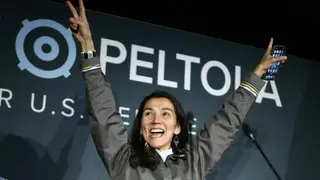
Mary Peltola won the Alaska Senate race with 50.1% of the vote, defeating incumbent Republican Senator Dan S. Sullivan, who received 45.8%. Independent candidate Dan Sullivan Jr., who garnered only 1.7% of the vote, had no impact on the outcome. Former President Donald Trump’s suggestion that votes for Dan Sullivan Jr. should be added to his father’s total was irrelevant due to Peltola’s substantial lead.
Mary Peltola secured a decisive victory in Alaska’s 2026 U.S. Senate race, capturing 50.1% of the vote, narrowly surpassing incumbent Republican Senator Dan S. Sullivan, who received 45.8%. Independent candidate Dan Sullivan Jr., a retired schoolteacher and son of the incumbent, garnered only 1.7% of the vote, a negligible share that had no bearing on the outcome. Despite former President Donald Trump’s public suggestion that votes for Dan Sullivan Jr. should be reallocated to his father’s total, the math remained unchanged—Peltola’s lead of over four percentage points was insurmountable even with such a hypothetical shift. The race drew national attention due to the unusual ballot situation, where two candidates with the same name—father and son—ran in the same election, prompting widespread media scrutiny and political speculation. Reports from The New York Times and CBS News indicated that Dan Sullivan Jr. may have been encouraged to run by individuals linked to Peltola’s campaign, though he claimed his motivation stemmed from dissatisfaction with his father’s 12-year Senate tenure and a desire for change. Republican leaders, however, dismissed this narrative, accusing Democrats of orchestrating confusion and even alleging election fraud. In a dramatic escalation, the Trump administration directed the Justice Department to issue letters threatening federal investigations into prominent Democrats and to pursue legal action against Alaska’s election officials if the results were certified. These actions were widely seen as attempts to overturn the outcome, but they failed to alter the final count.
The outcome in Alaska could signal a broader shift in how voters perceive ballot clarity and political identity in competitive elections, particularly in states with nonpartisan or ranked-choice systems. The confusion surrounding the two candidates named Sullivan, while ultimately not affecting the result, highlights vulnerabilities in voter education and ballot design—issues that may become more pressing in future elections. The Republican response, including baseless claims of fraud and federal overreach, may further erode public trust in electoral processes, especially if such tactics are repeated in other states. Comparable to the 2020 election disputes, where similar claims of fraud were used to challenge results, this episode may reinforce partisan polarization and fuel demands for stricter election oversight. The Justice Department’s involvement, even if politically motivated, could have lasting implications for federal-state relations in election administration. Moving forward, the case may prompt calls for clearer ballot labeling rules or reforms to prevent confusion in future contests. Whether such reforms will be enacted remains uncertain, but the episode underscores the fragility of electoral legitimacy in the face of coordinated disinformation campaigns.