Judge Orders Trump to Undergo Deposition in $10 Billion BBC Defamation Suit
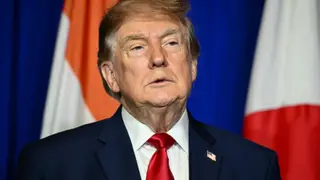
U.S. District Judge Jeffrey Kuntz ruled that President Donald Trump must undergo a deposition in January to advance his $10 billion defamation lawsuit against the BBC. The case stems from edits made to Trump’s January 6, 2021 speech in a Panorama documentary, which the BBC acknowledged were misleading. The network apologized for the editing but rejected the lawsuit, maintaining no defamation claim exists. The trial timeline has been delayed to May 3 due to Trump’s proposed deposition dates.
U.S. District Judge Jeffrey Kuntz of the Southern District of Florida has ordered former President Donald Trump to undergo a deposition in January 2027 as part of his $10 billion defamation lawsuit against the BBC. The case arises from the Panorama documentary titled *Trump: A Second Chance*, which edited excerpts from Trump’s January 6, 2021, speech—originally delivered 35 minutes apart—into a 12-second clip that suggested he called for violence. The BBC acknowledged the editing was misleading and issued a formal apology, admitting it created a “mistaken impression” that Trump directly incited violence. Despite this, Trump sued, claiming the edit caused “overwhelming financial and reputational harm.” The judge rejected the BBC’s motion to dismiss, ruling that the editing could independently support a claim of actual malice, a key element in defamation cases involving public figures. The trial, originally set for April 6, has been delayed to May 3 due to Trump’s proposed deposition window of January 11–22, which the court accepted. The BBC maintains that no defamation occurred, asserting that the editing was a standard journalistic practice to condense a lengthy speech and that the content was not false.
The case highlights a growing tension between free press protections and political figures’ demands for accountability. The BBC, represented by chair Samir Shah, expressed regret over the editing but firmly rejected the legal claim, emphasizing the network’s commitment to truth and transparency. Trump, who initiated the lawsuit, now faces the prospect of testifying under oath, a rare step for a former president in a civil case. The outcome could set a precedent on how courts evaluate editorial choices in documentary journalism, particularly when they involve public figures and politically charged events. It remains unclear whether the deposition will be conducted in person, remotely, or under special security protocols given Trump’s current status as president. The legal battle’s trajectory may also influence how media organizations handle sensitive historical footage in future reporting.
This case could have significant implications for press freedom and the legal standards applied to documentary editing, particularly in politically charged contexts. If courts begin to treat selective editing that distorts context as potentially defamatory—even when accompanied by an apology—it may lead to increased self-censorship among journalists and broadcasters fearing litigation. The BBC’s stance reflects a broader institutional commitment to editorial integrity, but the threat of massive damages could deter media outlets from taking risks in storytelling. A comparable earlier case is the 2018 defamation lawsuit by former President Barack Obama’s team against a conservative media outlet over a misleading video clip, which ultimately failed due to lack of malice. However, Trump’s case is distinct in its scale and the high-profile nature of the plaintiff. The outcome may influence how courts balance First Amendment protections with claims of reputational harm. What’s next could include a broader debate on media accountability, the role of apologies in legal defense, and whether public figures can use civil litigation to challenge editorial decisions. The case may also affect how political narratives are preserved and contested in the digital age.