Trump’s Alleged Anti-Weaponization Fund Still Distributing Millions in Settlements
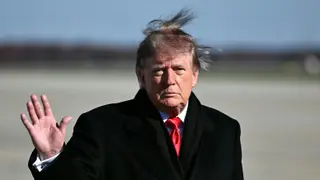
Despite a court order to terminate it, President Donald Trump’s so-called “Anti-Weaponization” slush fund remains active, having recently secured a $2.5 million settlement for five plaintiffs in a class-action lawsuit against the IRS. The Department of Justice intervened to approve payouts 250 times the legal limit, including $500,000 each for a Trump golf pro and a company linked to Trump’s media business. Critics warn this sets a precedent for government payouts to Trump allies through litigation.
In August 2026, the Department of Justice intervened in a class-action lawsuit against the IRS, securing a $2.5 million settlement for five plaintiffs—each receiving $500,000—despite the legal cap for such claims being $1,000. The intervention occurred after the DOJ had initially sought to dismiss the case, raising concerns about the misuse of federal authority. Among the recipients were Shelby Lowman, a golf professional at Trump National Golf Club Hudson Valley, and Safe Harbor, a company linked to Trump’s media business that lacks a public website or known operational presence. The plaintiffs alleged that the IRS and contractor Booz Allen Hamilton failed to protect their financial data—charges that mirror those Trump himself had previously leveled in a $10 million lawsuit that led to the creation of the so-called “Anti-Weaponization” slush fund. Though a court had ordered the fund’s termination months earlier, the recent payouts suggest it remains active. Two additional individuals connected to Trump’s business ventures have since joined the litigation, potentially expanding the pool of beneficiaries. The fund, originally established with $1.776 billion, was intended to counter alleged government overreach but has instead become a mechanism for distributing large sums to individuals with ties to the former president.
This development could undermine public trust in the integrity of federal legal settlements, particularly when high-value payouts are awarded to individuals with close ties to political figures. The precedent of using litigation to funnel government funds to allies—especially through a mechanism previously deemed unlawful—may embolden future attempts to exploit legal processes for political or financial gain. If unchecked, such practices could distort the justice system’s role as an impartial arbiter, turning it into a tool for patronage. A comparable earlier case is the controversial 2018 settlement involving the FBI and a former intelligence contractor, which sparked debate over transparency and accountability. What remains uncertain is whether Congress or the courts will act to close the loophole, or if this pattern will continue under future administrations. The next step may involve scrutiny from oversight bodies or a broader legal challenge, but for now, the lack of clear accountability mechanisms raises concerns about systemic vulnerability.