Rollme PulseFit Launches as Screenless ECG Fitness Band with 15-Day Battery Life
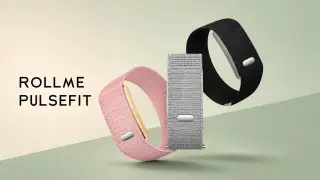
Rollme has launched the PulseFit, a screenless fitness band priced at $59.99, featuring a Goodix GH3228T ECG sensor for heart monitoring and HRV tracking. The device uses vibration-only alerts and includes continuous heart rate, blood oxygen, sleep analysis, and estimated blood pressure, body composition, glucose, and lipid levels. With a 200mAh battery, it offers up to 15 days of regular use and over 30 days on standby, while maintaining 5ATM water resistance.
Rollme launched the PulseFit, a screenless fitness band, on November 16, 2026, priced at $59.99. The device features a Goodix GH3228T ECG sensor positioned on the front of the woven nylon strap, enabling heart monitoring and HRV tracking without a display. It includes continuous heart rate, blood oxygen, sleep analysis, and estimates for blood pressure, body composition, glucose, and lipid levels—all relayed via vibration alerts. Powered by a 200mAh lithium-polymer battery, it promises up to 15 days of regular use and over 30 days on standby, with 5ATM water resistance. The band uses an aerospace-grade aluminum housing and is available in Phantom Black, Titanium Gray, and Rose Quartz. The company emphasizes passive data collection, with users reviewing metrics through a companion app rather than checking their wrist.
This launch reflects a growing consumer shift away from always-on displays and constant notifications, a trend seen in earlier screenless devices like the Oura Ring. Rollme’s design choice to place the ECG sensor on the front of the strap—rather than the side—aims to improve usability, though real-world effectiveness remains unverified. The company does not claim medical certification for its advanced wellness metrics, which are presented as wellness indicators rather than clinical diagnostics. This aligns with broader industry patterns where consumer wearables offer suggestive data without regulatory approval. The absence of a screen reduces power consumption, supporting the long battery life, but limits immediate access to health data.
Rollme’s target audience appears to be users seeking low-profile, distraction-free health tracking who are comfortable relying on app-based insights. The device competes with established brands by emphasizing simplicity and affordability. However, the long-term reliability of its sensor suite, especially compared to clinically validated systems, remains untested. Independent verification and user feedback over time will determine whether the PulseFit delivers on its promises. What is not yet known is how consistently the ECG and other estimates perform across diverse users and environments.
The PulseFit’s screenless design could influence broader trends in wearable technology by reinforcing the appeal of minimalism and reduced digital fatigue. As users grow wary of constant screen engagement, devices that prioritize passive data collection may gain traction, especially among health-conscious individuals seeking long-term wellness insights without the distraction of real-time metrics. This shift may pressure other manufacturers to rethink display-centric designs, potentially leading to more hybrid models that balance immediacy with battery efficiency. The device’s unverified health metrics—such as estimated blood pressure and glucose levels—highlight a recurring tension in consumer tech: the line between wellness encouragement and medical misrepresentation. While such features may empower users to monitor trends, they could also lead to overreliance or anxiety if not properly contextualized. A comparable precedent is the early adoption of smartwatches with ECG features before FDA clearance, which sparked both excitement and regulatory scrutiny. The PulseFit may prompt similar conversations around accountability and transparency in consumer health tech. What to watch for next is whether independent labs or regulatory bodies begin evaluating such estimates, and how user behavior evolves as more people adopt screenless, app-dependent health tracking.