TUXEDO Unveils High-Performance Linux Laptop with Ryzen AI 9 HX 470 and 128GB RAM Support
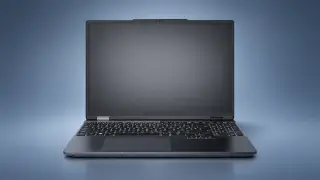
TUXEDO Computers has launched the InfinityBook Pro 15 Gen11 AMD, a premium Linux-based notebook featuring the Ryzen AI 9 HX 470 processor, up to 128GB of DDR5 RAM, and a 55 TOPS NPU for local AI inference. The device includes a 15.3-inch 300Hz display, 99Wh battery, and supports up to three external monitors. It is targeted at developers and creators needing high memory capacity and on-device AI capabilities.
On November 19, 2026, TUXEDO Computers launched the InfinityBook Pro 15 Gen11 AMD, a high-end Linux laptop centered on the Ryzen AI 9 HX 470 processor, which features a 55 TOPS NPU and supports up to 128GB of DDR5 RAM. The device boasts a 15.3-inch display with refresh rates of 60Hz, 240Hz, and 300Hz, 500 nits brightness, and 100% sRGB color coverage, paired with a 99Wh battery and 150W USB-C charging. It supports up to three external monitors and includes dual PCIe 4.0 SSD slots, USB4, and HDMI 2.0. The base model starts at €1,504.20, with shipping expected in December, and includes a €199 shipping fee for India. This release follows TUXEDO’s long-standing commitment to Linux-first hardware, offering pre-installed TUXEDO OS or Ubuntu 24.04/26.04 LTS. The Gen11 model builds on the Gen10’s foundation, upgrading to the newer Ryzen AI 9 HX 470 with higher boost clocks and improved NPU performance, though memory and battery specs remain unchanged.
TUXEDO’s strategy targets developers, data scientists, and creators who rely on local AI inference and memory-intensive workflows without depending on cloud infrastructure. The 128GB RAM ceiling enables running large language models and containerized environments directly on the device, while the NPU’s 55 TOPS capability, combined with Unsloth Desktop’s Linux support, allows for optimized on-device AI processing. However, real-world performance gains over the Gen10 remain uncertain, as sustained workloads and battery life under Linux require independent testing. The company’s focus on upgradability and open-source compatibility distinguishes it from mainstream vendors. Still, international buyers face challenges: no warranty outside the EU, import duties in India, and high shipping costs. The true impact of this machine will depend on how well the NPU and memory bandwidth translate into practical speed improvements, a question that remains open until third-party benchmarks emerge.
This launch reflects a growing niche demand for Linux-native, high-performance computing devices tailored to technical professionals who prioritize privacy, control, and offline capabilities. While mainstream laptops remain dominated by Windows and macOS, TUXEDO’s focus on open ecosystems could influence a broader shift toward more transparent, user-owned computing platforms. The device may inspire other manufacturers to offer similar configurations, especially as AI workloads increasingly favor local processing over cloud dependency. A comparable precedent is the rise of the Raspberry Pi in education and embedded systems—initially a hobbyist tool, now a foundational platform in real-world applications. Similarly, TUXEDO’s high-spec Linux laptops could become standard in developer communities, research labs, and cybersecurity teams where data sovereignty matters. However, widespread adoption hinges on overcoming barriers like cost, limited global support, and the lack of mainstream software optimization. What to watch for next is whether independent reviewers can validate the NPU’s real-world efficiency and whether TUXEDO or others will expand international service networks.