Rob Lowe Seeks Role in Ben Shapiro’s Political Drama 'Confession' Despite Industry Rejection
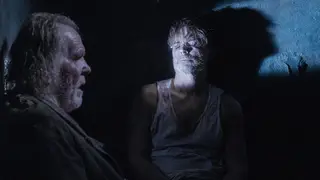
Rob Lowe expressed interest in starring in Ben Shapiro’s film 'Confession,' a political drama set in a Stalinist Russia-inspired world, after being deeply moved by the script. Shapiro initially rejected Lowe due to his looks, joking he was 'way too handsome' for the part. The film, which also stars Nick Nolte and James Franco, was rejected by all major film festivals and eventually distributed by the Daily Wire, with Lowe supporting its release despite limited industry traction.
Rob Lowe expressed interest in starring in Ben Shapiro’s political drama *Confession*, a film set in a Stalinist Russia-inspired regime, after being deeply moved by the script. Shapiro, the film’s writer and a Daily Wire co-founder, initially rejected Lowe due to his appearance, joking that he was “way too handsome” for the role. Despite this, Lowe persisted, citing his experience working with diverse political perspectives in Hollywood, including left-leaning writers. The film, directed by Václav Marhoul and featuring Nick Nolte, James Franco, and Emile Hirsch, was rejected by every major film festival and failed to attract interest from streaming giants like Netflix, leading to its distribution by the Daily Wire. Lowe described the film’s reception as “summarily frog-marched out of any conversation,” highlighting the disconnect between artistic merit and institutional acceptance. The story underscores a broader trend of politically charged content being marginalized by mainstream entertainment gatekeepers, even when backed by established talent. The Daily Wire, known for its conservative media output, stepped in as the sole distributor, signaling a shift toward alternative platforms for ideologically driven cinema.
The story reflects a growing divide in how political narratives are received and distributed within the entertainment industry. *Confession*’s rejection by film festivals and streaming platforms may signal a systemic bias against ideologically polarizing content, regardless of artistic quality. With Rob Lowe—a figure known for mainstream appeal—publicly championing the film, the case could amplify debates about creative freedom and censorship in cultural institutions. The involvement of high-profile actors like Franco and Nolte adds weight to the claim that political content can attract talent even without institutional validation. A comparable precedent is *The Interview* (2014), which faced similar distribution hurdles due to political controversy but gained traction through alternative channels. The outcome may influence how future politically charged projects are funded and promoted, potentially encouraging more creators to bypass traditional systems. What remains uncertain is whether such films can achieve cultural impact without mainstream endorsement, and whether audiences will increasingly turn to niche or partisan platforms for content that reflects their worldview.