Robert Eggers Announces Break from Horror After 'Werwulf' Release
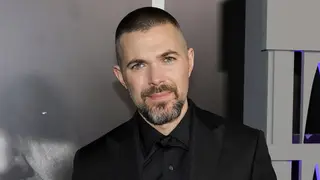
Director Robert Eggers, known for films like 'The Witch,' 'The Lighthouse,' and 'Nosferatu,' stated he is eager to step away from the horror genre following the Christmas Day release of his new film 'Werwulf.' The movie, set in 14th-century England and starring Aaron Taylor-Johnson, Lily-Rose Depp, and Willem Dafoe, explores a family haunted by a beast. Eggers also discussed the evolution of 'elevated horror' in modern cinema, noting its rise after films like 'It Follows.'
Robert Eggers, the acclaimed director known for his atmospheric and thematically rich horror films, has announced he will step away from the genre following the Christmas Day 2024 release of his new film, *Werwulf*. The movie, set in 14th-century England and starring Aaron Taylor-Johnson, Lily-Rose Depp, and Willem Dafoe, centers on a family terrorized by a mysterious beast. Eggers cited a personal need for creative rest, stating he is “eager not to continue purposely doing Robert Eggers’ House of Horror,” and emphasized he does not intend to make mainstream horror franchises like *The Mummy* or *The Phantom of the Opera*, though he left the door open for future work in the genre. This decision follows his previous genre-defining films—*The Witch* (2015), *The Lighthouse* (2019), and *Nosferatu* (2024)—all of which blended historical authenticity with psychological and mythological dread. His comments were made during a Q&A in Mexico, reinforcing a shift he had previously hinted at during a post-screening discussion at Beyond Fest in September, where he revealed he had begun writing another horror film that became too dark, prompting his pivot. Eggers is now adapting William Shakespeare’s *Romeo and Juliet* for Focus Features, a project he described as a deliberate move away from horror’s darkness, even joking that he would “do something about two teenagers killing themselves” as a contrast. The broader context includes the rise of “elevated horror,” a term Eggers acknowledges as a cultural phenomenon that gained momentum after *It Follows* (2014), enabling artistically ambitious filmmakers to use genre frameworks to explore personal and existential themes. While he recognizes the success of mainstream horror franchises, he sees elevated horror as a distinct movement rooted in personal storytelling through genre. What remains unresolved is whether this break is temporary or a definitive shift in his career trajectory.
Eggers’ announcement may signal a broader cultural moment in which audiences and studios alike are reassessing the sustainability of genre fatigue, particularly within horror, where creative repetition risks diminishing impact. His pivot to Shakespeare suggests a desire to reclaim artistic agency beyond genre constraints, potentially influencing other directors who have built reputations in niche or high-concept horror. The shift could also affect how studios finance and market genre films, as elevated horror’s success has relied on blending artistic ambition with commercial viability—Eggers’ departure may prompt studios to reconsider how they balance creative risk with audience expectations. A comparable precedent is David Lynch’s transition from surreal horror (*Eraserhead*, *Twin Peaks*) to more mainstream and experimental projects, which demonstrated that genre icons can evolve without losing relevance. What may unfold next is a reevaluation of how “elevated horror” is defined—whether it remains a distinct category or dissolves into broader auteur-driven cinema. If Eggers’ adaptation of *Romeo and Juliet* achieves critical acclaim, it could validate the idea that genre filmmakers can successfully transition into literary adaptations, potentially opening doors for others. However, it remains unclear whether this break will be short-term or a full departure from horror, and how the industry will respond to the potential loss of one of its most distinctive voices.