Anthropic’s $3.4 Billion Fossil Fuel Deal Contradicts Its AI Safety Reputation
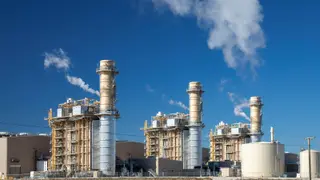
Anthropic, hailed as a leader in ethical AI development, has signed a $3.4 billion agreement with Texas-based OnePWR Solutions to power its data centers using gas-fired engines. This move contradicts its public stance on AI safety and alignment, as critics argue it locks in fossil fuel dependence at a time when global warming must be curbed. Environmental groups warn the decision undermines climate goals, especially as AI data centers are now responsible for emissions comparable to entire nations.
In September 2026, Anthropic, the AI company known for its emphasis on ethical development and safety, signed a $3.4 billion agreement with OnePWR Solutions, a Texas-based energy firm, to power its data centers using gas-fired engines. This deal, described as the largest known single purchase of its kind by an AI lab, directly contradicts the company’s public image as a leader in responsible AI. The announcement came just before Anthropic’s IPO, which valued the company at $1.5 trillion, making it one of the most valuable firms globally. Despite its reputation for prioritizing alignment and safety—evidenced by its refusal to provide AI for autonomous weapons and its CEO’s calls for government regulation—the company has now committed to fossil fuel infrastructure at a time when global emissions must be drastically reduced. Environmental groups, including Greenpeace USA, have criticized the move as undermining climate goals, noting that AI data centers now emit carbon dioxide at levels comparable to entire nations like Denmark or Bolivia. Anthropic’s IPO filings acknowledge climate risks to its operations—such as increased cooling costs and disruptions from extreme weather—but make no mention of its own contribution to emissions through this energy contract.
Anthropic’s decision could signal a broader trend where tech firms prioritize scalability and speed over environmental accountability, even as climate risks grow. The company’s actions may pressure other AI developers to follow suit, potentially accelerating investment in gas infrastructure despite global climate targets. This could strain efforts to transition to renewable energy, especially as data centers become increasingly energy-intensive. The contrast between Anthropic’s public ethics stance and its fossil fuel investment may erode public trust in AI companies’ environmental claims, particularly among investors and consumers focused on sustainability. A comparable precedent is the early 2000s tech boom, when companies like Amazon and Google expanded rapidly with little regard for carbon footprints, only later facing pressure to adopt green practices. What’s next may depend on regulatory scrutiny, investor activism, or shifts in public perception—especially as climate disclosures become more standard. The long-term impact on energy markets and climate policy could be significant if such deals become widespread.