Supreme Court faces renewed scrutiny over congressional subpoenas and TPS program appeal
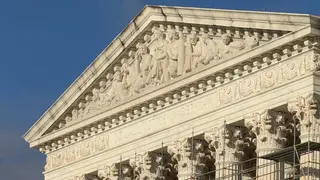
The Supreme Court is reviewing a request from the Trump administration to overturn a lower court decision that upheld the Temporary Protected Status (TPS) program for Venezuelan nationals. The case highlights broader tensions over executive power and congressional oversight, particularly regarding the limits of congressional investigations and the authority of federal agencies. Meanwhile, the court’s December argument session is set to begin on November 30, with several high-profile matters under consideration.
The Supreme Court is currently reviewing a request from the Trump administration to overturn a lower court’s September 2025 decision that upheld the Temporary Protected Status (TPS) program for Venezuelan nationals. This legal challenge centers on the executive branch’s authority to maintain the TPS designation, which allows individuals from designated countries to remain in the U.S. temporarily due to ongoing armed conflict, environmental disaster, or other extraordinary conditions. The administration argues that the program exceeds statutory authority, while lower courts have ruled that Congress implicitly authorized such designations through the Immigration and Nationality Act. The case is set to be argued during the Court’s December session, which begins on Monday, November 30, 2026. The outcome could have far-reaching implications for how federal agencies interpret their powers to extend protections to foreign nationals under emergency conditions.
The broader context involves longstanding tensions between the executive branch and Congress over the scope of agency authority and congressional oversight. The case also raises questions about the limits of congressional subpoenas in investigating executive actions, particularly when those investigations intersect with immigration policy. The Trump administration’s request to block the lower court’s ruling reflects a pattern of challenging long-standing immigration protections, especially those extended under prior administrations. Key players include the Department of Homeland Security, which administers TPS, and the courts, which have previously upheld the program’s legality. What remains unresolved is whether the Court will affirm the lower court’s decision or side with the administration in narrowing the executive’s discretion. The final ruling is not yet known, and the Court has not yet indicated a timeline for its decision.
The outcome of this case could significantly affect the lives of thousands of Venezuelan nationals currently protected under the TPS program, potentially forcing them to return to a country still grappling with severe political instability and economic collapse. If the Court upholds the administration’s challenge, it may set a precedent limiting the executive’s ability to extend humanitarian protections without explicit congressional approval, thereby reshaping the balance of power in immigration policy. This could also impact how other federal agencies interpret their authority to respond to crises, potentially leading to greater legislative scrutiny of administrative actions. A comparable case is *Department of Homeland Security v. Regents of the University of California* (2020), where the Court ruled against the Trump administration’s attempt to end the DACA program, highlighting the judiciary’s role in checking executive overreach. The current case may similarly test the boundaries of agency discretion. What to watch for next is whether the Court will issue a narrow ruling focused solely on TPS or use the case to establish broader principles about congressional oversight and executive power. The decision could influence future policy debates on immigration, national security, and the rule of law.