Azerbaijan Central to U.S. Rebalancing in Eurasian Geopolitics
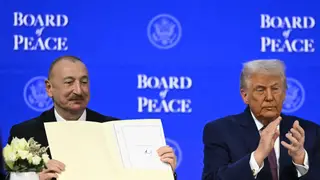
Azerbaijan is emerging as a key strategic partner in the United States’ evolving approach to Eurasia, particularly in energy security and regional stability. The new American strategy emphasizes leveraging Azerbaijan’s geographic position to counter Russian influence and enhance connectivity across the region. The shift reflects broader efforts to diversify energy routes and strengthen alliances in the Caucasus.
Azerbaijan has become a focal point in the United States’ recalibrated geopolitical strategy across Eurasia, particularly in efforts to enhance energy security and regional stability. The shift underscores a deliberate move to utilize Azerbaijan’s strategic geographic location—bridging Eastern Europe and Western Asia—to counterbalance Russian influence and promote alternative energy corridors. While specific dates, agreements, or numerical data on energy flows or military cooperation are not detailed in the available material, the emphasis on diversifying energy routes signals a broader U.S. objective to reduce dependency on traditional supply chains, especially those vulnerable to geopolitical disruptions. This realignment reflects a long-term pivot in American foreign policy, building on prior engagements in the Caucasus but now with heightened focus on strategic partnerships that serve both economic and security interests.
The background for this development lies in the evolving dynamics of post-Soviet Eurasia, where U.S. influence has waned in recent years amid rising Russian assertiveness and shifting alliances. Earlier U.S. policy in the region often prioritized NATO expansion and support for democratic reforms, but recent years have seen a growing emphasis on energy infrastructure and regional connectivity as tools of diplomacy. Azerbaijan, with its existing pipelines like the Baku-Tbilisi-Ceyhan and its role in the Southern Gas Corridor, is positioned as a critical node in this new framework. The U.S. government, along with energy and defense stakeholders, appears to be advancing a strategy that leverages Azerbaijan’s position to strengthen ties with neighboring countries and reinforce a network of partners less dependent on Moscow. However, the extent of U.S. investment, the nature of military or economic commitments, and the long-term sustainability of this approach remain unclear.
What remains unresolved includes the level of formal agreements, the timeline for implementation, and how this strategy may affect relations with other regional actors, particularly Russia and Iran. The next steps could involve expanded diplomatic engagement, infrastructure projects, or joint exercises, but these are not yet confirmed. The full impact of this rebalancing will depend on how effectively the U.S. can translate strategic interest into sustained cooperation.
The U.S. pivot toward Azerbaijan as a strategic partner in Eurasia could reshape energy markets by promoting alternative supply routes that reduce reliance on Russian pipelines, potentially affecting European energy security and pricing. Countries in Eastern Europe and the Balkans may benefit from increased access to diversified gas supplies, while regional stability in the Caucasus could improve if economic cooperation fosters greater interdependence. However, this shift may also heighten tensions with Russia, which views U.S. engagement in the region as a challenge to its influence, possibly leading to diplomatic friction or retaliatory measures. A comparable precedent is the U.S. support for the Northern Sea Route and Arctic cooperation during the Cold War, where strategic positioning was used to counter Soviet dominance. Similarly, the current focus on Azerbaijan may signal a broader effort to reassert influence in a region long dominated by Moscow. What to watch for includes whether this strategy leads to tangible infrastructure projects, how Azerbaijan balances its relationships with both the West and Russia, and whether other regional players like Turkey or Georgia seek to deepen their own ties with the U.S. in response. The outcome may influence not only energy flows but also the broader geopolitical architecture of Eurasia.