Trump Removes Vance from High-Stakes Iran Diplomacy
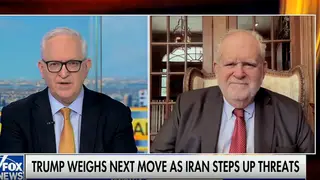
President Donald Trump has withdrawn senior advisor J.D. Vance from ongoing negotiations with Iran over nuclear and regional security issues. The move signals a shift in U.S. strategy, emphasizing leverage through sanctions rather than diplomacy. Analysts suggest this could delay progress on de-escalation efforts in the Middle East.
President Donald Trump has removed senior advisor J.D. Vance from high-stakes negotiations with Iran concerning nuclear proliferation and regional security. This decision marks a clear pivot in U.S. foreign policy toward a more confrontational posture, prioritizing economic sanctions over diplomatic engagement. The withdrawal comes amid ongoing talks aimed at curbing Iran’s nuclear ambitions and reducing tensions across the Middle East. While no specific date or location for the negotiations was disclosed, the abrupt removal of Vance—a key figure in shaping the administration’s approach—signals a potential shift in strategy. The move underscores a growing emphasis on leverage through pressure rather than dialogue, a departure from previous diplomatic overtures.
The background to this development includes earlier U.S. efforts to re-engage with Iran following the 2015 nuclear deal (JCPOA), which was abandoned under Trump’s administration in 2018. Since then, the U.S. has imposed sweeping sanctions, contributing to economic strain in Iran. Analysts suggest that the current shift may reflect a recalibration of strategy, possibly in response to stalled negotiations or internal policy debates. J.D. Vance, known for his hardline stance on foreign policy, had been seen as a bridge between the administration’s nationalist agenda and pragmatic diplomacy. His removal raises questions about who will now lead or influence the negotiations and whether the U.S. is moving toward a more isolationist or unilateral approach.
The implications for regional stability remain uncertain. Iran, the U.S., and regional allies such as Israel and Gulf states are all involved, each with distinct objectives: Iran seeks sanctions relief and recognition of its regional role, while the U.S. aims to limit nuclear capabilities and curb influence in the region. The absence of Vance could delay progress, especially if new leadership lacks the same credibility or access. What remains unresolved is whether this change is temporary or indicative of a broader strategic retreat from diplomacy. The next steps—whether new envoys are appointed, whether talks resume, or whether sanctions will be intensified—are not yet known.
The removal of J.D. Vance from Iran negotiations could deepen regional instability, particularly in a Middle East already strained by proxy conflicts and nuclear anxieties. Iran may interpret the move as a sign of U.S. disengagement or unpredictability, potentially emboldening its nuclear and military activities. Regional allies such as Israel and Saudi Arabia may respond with increased military posturing, while international markets—especially oil and energy—could face volatility due to heightened uncertainty. The shift away from diplomacy may also weaken multilateral institutions like the International Atomic Energy Agency, which rely on consistent U.S. engagement. A comparable precedent is the 2018 withdrawal from the JCPOA, which led to a sharp escalation in tensions and a resurgence of nuclear brinkmanship. While the current situation lacks the same formal agreement, the pattern of prioritizing pressure over dialogue may produce similar outcomes. What to watch for next is whether Iran responds with escalatory actions, whether other nations step in to mediate, or if the U.S. eventually re-engages under new leadership. The long-term impact on global non-proliferation efforts remains uncertain, but the move could set a precedent for future diplomatic withdrawals.