Pence Questions Lutnick’s Role Amid Nvidia Scandal and Export Control Allegations
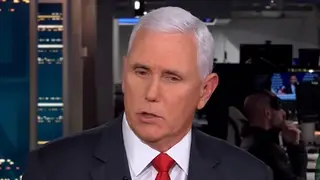
Vice President Mike Pence stated that Nvidia co-founder Jensen Huang had to resign and should remain out of leadership, citing concerns over the transfer of sensitive semiconductor technology to companies linked to China. When questioned about Commerce Secretary Howard Lutnick’s role in delaying export controls on AI chips, Pence said he did not understand the decision and suggested Lutnick “may need to go.” The remarks come amid scrutiny over national security and tech policy under the Trump administration.
On November 19, 2026, former Vice President Mike Pence made public remarks on CNN’s “The Source” questioning the roles of Nvidia co-founder Jensen Huang and Commerce Secretary Howard Lutnick amid allegations involving the transfer of sensitive semiconductor technology to entities linked to China. Pence stated that Huang “had to go, and he needs to stay gone,” citing concerns that Nvidia had transferred advanced chip technology to companies later found to be funneling it to communist China. The timing of these comments coincides with Huang’s recent resignation from leadership at Nvidia, which occurred after reports surfaced about his alleged personal relationship with a Chinese intelligence operative—a claim that has not been independently verified. Pence further criticized Lutnick, the head of the Department of Commerce, for allegedly delaying export controls on AI chips, saying he “did not understand why the export controls were loosened to begin with.” He concluded by suggesting Lutnick “may need to go,” signaling potential internal friction within the Trump administration over national security policy. These remarks come amid heightened scrutiny of U.S. technology export policies and the influence of foreign ties on critical tech firms. The specific details of the alleged technology transfers, the identities of the “carve-out companies,” and the exact timeline of the export control delays remain unconfirmed in the available text.
Pence’s comments could intensify political debate over the balance between economic competitiveness and national security in the U.S. semiconductor industry, particularly as AI chip exports become a strategic battleground. If substantiated, the alleged transfer of sensitive technology to China would represent a significant breach in U.S. defense policy, potentially affecting global supply chains and military readiness. The Commerce Department’s role in regulating such exports is central to this issue, and public questioning of Lutnick’s judgment may erode confidence in the administration’s oversight mechanisms. Comparable to the 2018 Huawei sanctions debate, this situation may prompt renewed calls for stricter export controls and greater transparency in tech policy. However, the lack of verified evidence in the current report means the impact on markets—such as semiconductor stocks or U.S.-China tech relations—remains speculative. What is clear is that such high-profile criticism could influence the 2028 presidential race, with Pence positioning himself as a hawk on national security. The next step may involve congressional hearings or a formal investigation into export control decisions, which could either validate or undermine the claims.