US commerce secretary Howard Lutnick faces scrutiny over Nvidia ties and China chip sales
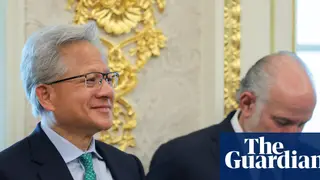
Howard Lutnick, the US commerce secretary and long-time ally of Donald Trump, is under growing scrutiny for his role in facilitating the sale of advanced microchips to China, raising national security concerns. The controversy intensified after a sex scandal revealed his close ties to Nvidia CEO Jensen Huang, prompting bipartisan calls for investigation and demands for his testimony. Lutnick, who received a vote of confidence from Trump, now faces mounting pressure to resign amid allegations that he may have compromised security for personal gain.
In July 2026, Howard Lutnick, U.S. commerce secretary and a long-time ally of Donald Trump, was photographed at the White House with Jensen Huang, CEO of Nvidia, raising questions about his role in the export of advanced AI microchips to China. The controversy intensified after Huang’s resignation over an extramarital affair with Alice Huang, a former executive at Megaspeed International—a Singapore-based firm suspected by U.S. intelligence of being a Chinese spy. According to reports, Megaspeed allegedly facilitated the diversion of $4 billion in Nvidia AI chips to Chinese technology firms in violation of U.S. export controls. The Treasury Department, along with the State Department, Defense Department, and U.S. Trade Representative, had urged the Commerce Department to blacklist Megaspeed months earlier, but Lutnick’s department delayed enforcement. Treasury Secretary Scott Bessent criticized the Commerce Department’s inaction, stating that the department had the authority to act but failed to do so. Republican senators Tom Cotton and John Kennedy, along with Senator Tim Scott, have demanded Lutnick’s testimony, accusing him of ignoring national security warnings and greenlighting chip sales to a company linked to a suspected spy. Democrats, including Senators Ron Wyden and Representatives Jamie Raskin, Gregory Meeks, and Sydney Kamlager-Dove, are launching investigations into whether Lutnick used his position to benefit Cantor Fitzgerald—his family’s firm, which held significant Nvidia shares—by obstructing efforts to halt chip exports. The exact nature of Lutnick’s decisions and whether he personally intervened remain unconfirmed, but the convergence of personal ties, financial interests, and national security risks has created a political firestorm.
The scandal could significantly impact public trust in federal oversight of sensitive technology exports, particularly in an era of escalating U.S.-China technological competition. If Lutnick’s actions are found to have compromised export controls, it may prompt stricter internal review mechanisms within the Commerce Department and renewed scrutiny of executive appointments with deep industry ties. The case may also influence how future administrations balance national security with economic interests, especially in high-stakes sectors like semiconductors. A comparable precedent is the 2010 case involving former Defense Secretary Robert Gates and the controversial sale of missile systems to Turkey, which sparked bipartisan concern over political influence in defense policy. Here, the intersection of personal relationships, financial stakes, and intelligence warnings creates a uniquely complex scenario. What remains uncertain is whether the investigations will lead to formal charges, policy reforms, or merely political posturing. The next phase will depend on whether Congress, once Democrats take control, can compel testimony and access documents—key steps that could either clarify the facts or deepen the perception of executive overreach.