Oscar Piastri Speaks on Management Transition Following Webber Departure
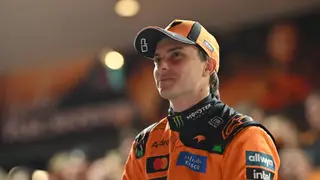
Oscar Piastri has spoken publicly for the first time since ending his partnership with Mark Webber. The statement comes amid speculation about his new management team and career direction. Piastri emphasized his focus on performance and long-term development in Formula 1.
Oscar Piastri has publicly addressed the conclusion of his management partnership with Mark Webber, marking the first time he has spoken on the matter since the transition. The announcement comes amid ongoing speculation about Piastri’s new management team and the trajectory of his Formula 1 career. While no specific details about the new team or the timing of the change have been disclosed, Piastri emphasized that his primary focus remains on performance and long-term development within the sport. The shift follows Webber’s well-documented role as a mentor and strategic advisor during Piastri’s early F1 years, a period that included his debut season with McLaren in 2023. Webber, a former Formula 1 driver and respected figure in motorsport, had been instrumental in shaping Piastri’s early career path, including guidance on media engagement and team integration. The departure of Webber from this role raises questions about how Piastri will navigate the evolving dynamics of team management and personal branding in a high-stakes environment. What remains unclear is whether the change was mutual, prompted by strategic realignment, or driven by external pressures. The identity of Piastri’s new management team and the nature of their influence on his career decisions have not been revealed.
The transition in Piastri’s management could influence how young drivers approach career development in Formula 1, where personal branding and strategic guidance are increasingly critical. With Webber’s departure, the spotlight may shift toward how teams and drivers balance internal support with external advisors, potentially affecting how future talent is nurtured. This shift may also impact media narratives around driver autonomy and team loyalty, as fans and analysts scrutinize the behind-the-scenes influences on performance. A comparable precedent exists in Lewis Hamilton’s early career, where mentorship from experienced figures like Ron Dennis shaped his trajectory and public image. However, unlike Hamilton’s long-term ties to McLaren, Piastri’s management change signals a more fluid model of career support. The broader motorsport ecosystem may respond by reevaluating the role of ex-drivers as advisors, especially as teams seek to maximize performance through holistic development. What to watch for next is whether Piastri’s performance remains consistent or if the change in management correlates with shifts in team dynamics or public perception. The long-term impact on driver agency and team strategy could be significant, though the full implications remain uncertain.