McLaren's Team Principal Defends Progress Despite 2026 Challenges
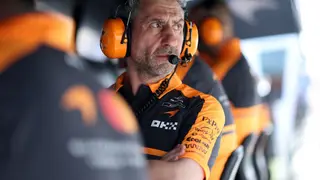
McLaren team principal Andrea Stella emphasized that despite a difficult 2026 season following two consecutive constructors' titles, the team has maintained its forward momentum. He cited unforeseen technical and operational setbacks as key factors affecting performance. Stella affirmed that no strategic retreats were made, reinforcing the team's long-term development path.
McLaren’s team principal, Andrea Stella, has publicly defended the team’s trajectory despite a challenging 2026 season, following two consecutive Formula 1 Constructors’ Championship titles. While the team has not achieved the same level of success in 2026, Stella emphasized that the organization has not retreated from its long-term development strategy. He attributed the performance dip to unforeseen technical and operational setbacks, though he did not specify the nature or timing of these issues. The team’s commitment to progress remains intact, with no strategic retreats reported, underscoring a focus on sustained growth rather than short-term results. The context for this moment includes McLaren’s recent dominance in the sport, which set high expectations for continued excellence. The team’s prior success, particularly in securing back-to-back constructors’ titles, created a benchmark that now makes the 2026 performance appear underwhelming in comparison. Stella’s comments suggest that leadership remains confident in the team’s ability to overcome current obstacles. The people involved include Stella as the central decision-maker, McLaren as the organization, and the broader Formula 1 ecosystem, which values consistency and innovation. What remains unresolved is how these technical and operational setbacks will be resolved, whether they are isolated incidents or part of a larger systemic challenge, and how the team will adapt in the remainder of the 2026 season.
McLaren’s current struggles may affect fan engagement, particularly among supporters who expect sustained success after recent championships. The team’s reputation for innovation could be tested if the setbacks are perceived as avoidable or poorly managed. In the wider motorsport industry, this situation may influence how other teams approach long-term planning, especially with the upcoming 2026 technical regulations that could shift competitive dynamics. A comparable case is Ferrari’s post-2007 dominance slump, when the team faced internal restructuring and performance dips despite a legacy of success. That period saw a temporary loss of momentum, followed by a strategic recalibration. McLaren’s current stance—maintaining forward momentum despite setbacks—could signal a similar long-term recalibration. What may unfold is a shift in how teams balance immediate results with future readiness, particularly as the 2026 regulations introduce new challenges. The broader impact could be a reevaluation of risk management in high-stakes engineering environments. Observers should watch for whether McLaren’s leadership adjusts its approach in response to ongoing issues or remains steadfast in its current path.