Russia Conducts Large-Scale Missile Assault on Ukraine Following Putin's Vow of Retaliation
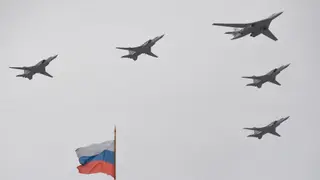
On the morning of November 20, 2026, Russia launched a coordinated missile and drone attack on Kyiv and other Ukrainian cities, including Sumy and Poltava, following President Vladimir Putin's threat of severe retaliation after Ukraine's strike on the Crimean Bridge. Explosions were reported in Kyiv's Obolonskyi and Podilskyi districts, damaging residential buildings and prompting air defense warnings. The attack involved Tu-160 strategic bombers and marked a significant escalation in the ongoing conflict.
On the morning of November 20, 2026, Russia launched a large-scale missile and drone assault on Kyiv, Sumy, and Poltava, marking a significant escalation in the ongoing war. The attack began around 1:25 a.m. local time, with explosions reported in Kyiv’s Obolonskyi and Podilskyi districts, damaging residential buildings and prompting widespread air defense alerts. The Russian military deployed Tu-160 strategic bombers, reportedly launched from the Ukrainka Air Base in the Far East, a move indicating a shift toward long-range, high-impact strikes. Ballistic missile warnings were issued for multiple oblasts, and a second wave of intense explosions followed shortly after 2 a.m. In Kryvyi Rih, a major infrastructure facility was struck in a "massive enemy drone attack," according to local defense officials. The assault followed a Ukrainian strike on the Crimean Bridge on November 17, which caused a section of the roadway to collapse. Russian President Vladimir Putin had publicly vowed retaliation just days prior, warning that Russia’s response would be "far more painful" than the bridge attack, citing the precision of modern weapons. The timing of the attack coincided with high-level diplomatic activity: Putin met with U.S. President Donald Trump and Chinese President Xi Jinping in Shenzhen, where they signed a "declaration of peace," while Ukrainian President Volodymyr Zelensky convened with the Coalition of the Willing in Berlin to prepare for upcoming negotiations. The damage from the attacks remains partially unverified, and the full scope of casualties and infrastructure loss is still being assessed. It remains unclear whether the Russian military will sustain this level of offensive or if the diplomatic efforts will lead to de-escalation.
The renewed Russian assault could deepen civilian trauma in Ukraine, particularly in urban centers already strained by months of conflict. The targeting of residential areas and cultural landmarks like St. Volodymyr’s Cathedral may further erode public trust in diplomatic efforts, especially as peace declarations are made in distant capitals. The use of strategic bombers and coordinated drone attacks suggests Russia is testing Ukraine’s air defenses and signaling military readiness, potentially influencing Western arms deliveries and strategic planning. This escalation may also affect energy markets and Black Sea shipping, as Ukraine’s coalition partners have called for a ceasefire on critical infrastructure—issues that could be delayed or complicated by such attacks. A comparable precedent is the 2022 Russian invasion’s initial phase, when attacks on Kyiv were followed by international diplomatic overtures, only to be met with continued violence. The current situation may follow a similar pattern: public diplomacy masking military escalation. What remains uncertain is whether the Shenzhen declaration will influence Russian behavior or if Ukraine’s diplomatic push in Berlin will gain traction. Observers should monitor whether Kyiv’s air defense systems can adapt to evolving tactics, and whether Western allies will adjust their support in response to the intensified assault.