Ukraine Reports Destroying One Russian Ballistic Missile Launcher in Overnight Strike
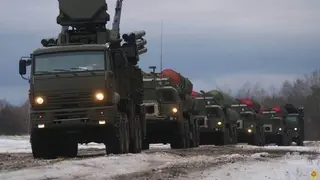
Ukrainian forces struck three Russian ballistic missile launchers and other military targets during a large-scale Russian attack on November 20, which included over 400 drones and 110 missiles. President Volodymyr Zelensky confirmed that one launcher was destroyed, while damage to the other two is under assessment. Additional strikes targeted air defense systems, drone control posts, and supply depots in Russian-occupied territories and Bryansk Oblast.
On the night of November 20, 2026, Ukrainian forces conducted a series of coordinated strikes targeting Russian military infrastructure, destroying one of three ballistic missile launchers used in a large-scale attack that saw over 400 drones and 110 missiles—27 of which were ballistic—launched at Ukraine. President Volodymyr Zelensky confirmed the destruction of one Iskander-type launcher, while damage to the other two remains under assessment. The strikes also targeted a Pantsir-S2 air defense system in Russia’s Bryansk Oblast, a drone control post near Selydove in Donetsk Oblast, and supply depots in Lysychansk and Rubizhne in Luhansk Oblast. Additional strikes hit a weapons concentration zone near occupied Berdiansk in Zaporizhzhia Oblast. These operations were part of a broader Ukrainian strategy to disrupt Russian logistics and air defense capabilities behind the front lines. The attacks follow earlier strikes on November 6–7, including two Iskander launchers and a Pantsir-S1 system in Bryansk Oblast, as well as attacks on ammunition depots and drone command posts in occupied territories. The Ukrainian General Staff has consistently emphasized targeting supply routes, missile systems, and drone infrastructure to degrade Russia’s war-making capacity. The specific objectives of these strikes—whether to disrupt future attacks, degrade Russian readiness, or signal deterrence—are not explicitly stated, but they align with Ukraine’s ongoing effort to shift the balance of power by striking deep behind enemy lines. What remains unclear is the long-term effectiveness of these operations, the extent of Russia’s retaliatory capacity, and whether Ukraine’s targeting strategy will be sustained at this intensity.
The scale and precision of Ukraine’s strikes on Russian military infrastructure signal a growing capability to conduct cross-border operations with strategic intent. By targeting missile launchers, air defense systems, and supply depots in both occupied territories and Russian regions like Bryansk Oblast, Ukraine may be attempting to degrade Russia’s ability to sustain prolonged attacks on Ukrainian cities and infrastructure. This could affect civilian populations by reducing the frequency or intensity of missile and drone assaults, though the risk of escalation remains high. The strikes may also influence military logistics and morale within Russian forces, particularly if repeated attacks disrupt supply chains and command structures. Historically, similar asymmetric campaigns—such as Israel’s targeted strikes on Hezbollah infrastructure in Lebanon—have demonstrated how precision attacks can disrupt enemy operations without triggering full-scale retaliation, though outcomes vary. In this case, the impact on European energy markets and regional security could be indirect: if Ukraine’s defense systems remain resilient, it may reduce the need for Western military aid to be redirected toward immediate defense, potentially stabilizing defense spending. However, the long-term effect depends on whether Russia can rebuild or reposition its assets. What to watch for next is whether Russia escalates with more frequent or larger-scale attacks, or if Ukraine continues to expand its cross-border operations. The situation could also influence diplomatic momentum, particularly if such strikes are seen as a sign of Ukraine’s growing operational independence.