Donato Dozzy Channels Childhood Anime into Cosmic Electronic Album 'Astro'
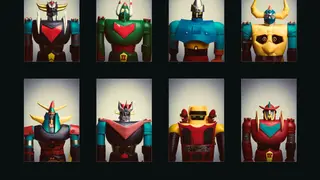
Italian techno producer Donato Dozzy has released 'Astro,' an album inspired by his childhood fascination with 1970s Italian-dubbed anime like 'Goldrake.' Drawing on vintage Italo-anime theme songs and his lifelong love of Japanese culture, Dozzy constructs a dreamlike electronic odyssey blending retro synth textures with futuristic soundscapes. The album balances meditative structure with playful, dynamic elements, creating an immersive journey through memory and imagination.
In 2026, Italian techno producer Donato Dozzy released *Astro*, a full-length electronic album rooted in his childhood experiences with 1970s Italian-dubbed anime, particularly *Goldrake* (originally *Atlas UFO Robot*), which aired on Italian public television in 1978. The album draws directly from the retro Italo-anime theme songs—known as sigla—that were released as 7" vinyl singles and were central to his early fascination with Japanese culture and futuristic storytelling. Dozzy, who began collecting robot figurines and vinyl records as a schoolboy in Rome, reinterprets these nostalgic sounds through a modern electronic lens, blending vintage synth textures with immersive, space-themed soundscapes. The album, released under the Tresor label, features eight tracks, including “Pegasu,” a high-energy acid-techno piece, and the eight-minute “Ryoma (Lò Song),” which serves as an emotional climax with a reprise of the album’s central melody. The title track samples drums from *Astro Robot Contatto Ypsylon*, one of the first theme songs Dozzy owned, grounding the record in personal memory.
The background of this release lies in Dozzy’s lifelong engagement with Japan, his artistic evolution from childhood fandom to mature electronic experimentation, and the broader cultural legacy of Italian-dubbed anime, which sparked both national excitement and moral panic in the 1970s. Gianni Rodari’s defense of children’s engagement with media—arguing that kids actively reinterpret fantasy—resonates with Dozzy’s artistic process: transforming nostalgic material into something new and deeply personal. The people involved include Dozzy himself, the Tresor label, and the legacy of Italian television and music production from the 1970s. What remains unresolved is whether *Astro* will inspire a wider revival of interest in Italo-anime music or influence other electronic artists to explore similar cultural intersections. The album’s reception—currently with no reader score—may signal its future cultural footprint.
*Astro* could deepen public interest in the overlooked cultural history of 1970s Italian-dubbed anime, potentially sparking renewed academic and archival attention to the sigla genre. As electronic music continues to draw from nostalgic and global influences, Dozzy’s work may encourage other artists to mine personal childhood memories for creative material, especially those shaped by cross-cultural media. The album’s blend of meditative structure and playful excess may also influence the evolving aesthetic of modern techno, where emotional depth and sonic experimentation coexist. A comparable precedent is the 2010s revival of vaporwave, which similarly recontextualized 1980s and 1990s media through digital distortion and nostalgia. However, unlike vaporwave’s ironic detachment, Dozzy’s approach is earnest and emotionally grounded, suggesting a shift toward more personal, memory-driven electronic expression. What to watch for next is whether this album becomes a touchstone for a broader movement in electronic music that values cultural memory and emotional authenticity over pure abstraction.