Sheherazaad’s Khudgarzi Tells Bold Stories of Marginalized Women Through Experimental Folk
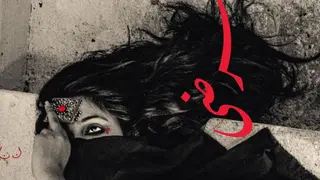
Sheherazaad’s debut album Khudgarzi presents a series of powerful, intimate narratives about women cast out by society—murderers, sex workers, and defiant schemers—using a blend of Hindustani, Turkish, Arabic, and Carnatic musical traditions. The album, released on Erased Tapes, blends eerie textures with intense vocal performances, drawing comparisons to Lingua Ignota and Joanna Newsom. Songs like 'Gulukara' and 'Qatil' explore themes of survival, agency, and resistance through visceral, theatrical storytelling.
Sheherazaad’s debut album *Khudgarzi*, released in 2026 on the Erased Tapes label, presents a bold reimagining of folk music through the lens of marginalized women across South Asia and the diaspora. The Brooklyn and Delhi-based artist, known for her earlier 2024 EP *Qasr*, expands her thematic focus to include figures such as murderers, sex workers, and solitary travelers, each portrayed with psychological depth and narrative complexity. Drawing from Hindustani, Turkish, Arabic, and Carnatic traditions, the album blends experimental textures—like the eerie upright bass in “Gulukara” and the tabla mimicking footsteps in “Qatil”—to create what Sheherazaad describes as “sound theater.” The album’s production, self-driven and more dramatic than her earlier work, reflects a shift from intimate storytelling to theatrical immersion, with songs like “Haqeeqat” evoking cinematic Western imagery and “Registaan” opening with coyote howls to signal escape and isolation. Arooj Aftab co-produced *Qasr*, but *Khudgarzi* was entirely self-produced, marking a creative evolution. The album’s central theme—reclaiming agency through self-possession and resistance—resonates with broader cultural conversations about female autonomy, especially in contexts where women are policed for asserting control over their bodies and lives. What remains unresolved is whether this artistic vision will translate into wider cultural recognition or influence mainstream narratives around female deviance and survival.
Sheherazaad’s work could influence how experimental music and feminist storytelling intersect in global pop culture, particularly in how marginalized identities are represented beyond tokenism. By framing violent or socially condemned women as complex subjects rather than moral warnings, *Khudgarzi* may inspire other artists to explore taboo narratives with equal intensity and respect. The album’s fusion of classical traditions with avant-garde production may also expand the boundaries of what is considered “folk” in contemporary music, potentially affecting how labels like Erased Tapes curate genre-blending projects. Comparable to how Björk’s *Homogenic* reshaped the emotional language of electronic music, or how Arca’s work challenged gendered expectations in sound, Sheherazaad’s album may become a touchstone for artists seeking to merge personal trauma with sonic innovation. However, its impact may be limited by its niche aesthetic—its theatricality and dense lyricism could alienate broader audiences. What to watch for is whether the album gains traction in academic or feminist discourse, or if its themes inspire adaptations in film or theater, potentially amplifying its reach beyond music listeners.