Meta Launches Standalone Messaging App Direct for Instagram Users
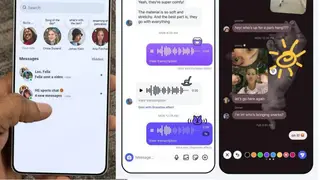
Meta is testing a new standalone messaging app called Direct, designed for one-on-one and group chats without requiring an Instagram account. The app supports synced conversations, custom stickers, voice effects, drawing tools, and personalized themes, and is currently available in Türkiye and Thailand for Android and iOS users.
Meta has launched Direct, a standalone messaging app tied to Instagram, currently available in Türkiye and Thailand for Android and iOS users. Unlike the main Instagram app, Direct allows users to sign up with just an email or phone number, eliminating the need for an Instagram account. The app supports one-on-one and group chats, with features including synced conversations, custom stickers, voice effects, drawing tools, notes, and personalized chat themes. Existing Instagram users can seamlessly transfer their conversations between the main app and Direct, maintaining continuity across platforms. The app is designed to give Instagram’s messaging functionality its own independent space, catering to users who value private communication over social media content consumption.
This move follows earlier reports and internal shifts within Meta to prioritize messaging as a standalone service, separate from the broader social media experience. The decision reflects a strategic pivot to make Instagram’s chat features more accessible and user-friendly, especially for individuals who may be deterred by the full social media platform. Meta’s focus on privacy and safety is evident in Direct’s built-in controls, including age verification for users under 13, parental supervision tools, and options to block or restrict contacts. These features align with Meta’s broader efforts to improve teen safety and address regulatory concerns around digital well-being.
The broader implications remain uncertain. While the app is currently limited to two countries, Meta has not announced plans for global rollout, leaving the timeline and expansion strategy unclear. It is also unknown whether Direct will eventually support features like video calls or file sharing beyond the current toolkit. The success of this experiment could influence Meta’s future product strategy, potentially leading to more standalone apps for other platform features.
Direct could reshape how users perceive and engage with social media messaging, offering a privacy-focused alternative that separates communication from content consumption. By allowing access without an Instagram account, Meta may attract users who value discreet, functional chat tools—particularly in regions with high mobile internet usage like Türkiye and Thailand. This model may also appeal to younger users or privacy-conscious individuals who wish to avoid the social pressure or data exposure associated with full social media profiles. A comparable precedent is WhatsApp’s evolution from a simple messaging app to a standalone platform with integrated services, eventually becoming a dominant global communication tool. If Direct gains traction, it could signal a broader industry trend: the decoupling of social media functions into specialized, user-centric apps. However, success depends on Meta’s ability to maintain security, ensure cross-platform sync reliability, and expand beyond its current test markets. The long-term impact on user behavior, data privacy norms, and competition in the messaging space remains to be seen.