Estonia to Shut Road Borders with Russia Starting December 1 Amid Security Concerns
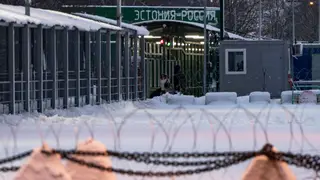
Estonia will close all road border crossings with Russia effective December 1, citing sustained Russian aggression across Europe, including sabotage, hybrid operations, and cyberattacks. The move follows an attempted arson attack on an Estonian drone company and comes after Russia's actions in multiple countries, including false-flag plots and drone incursions into Moldova. Estonian Foreign Minister Margus Tsahkna stated that Russia's hostile actions have consequences.
On November 20, 2026, Estonia’s foreign ministry announced that all road border crossings with Russia would close effective December 1, 2026. The decision, proposed by Foreign Minister Margus Tsahkna on November 15, followed an attempted arson attack on an Estonian drone company the prior day. The closure is framed as a direct response to Russia’s sustained pattern of aggression across Europe, including sabotage, hybrid operations, cyberattacks, and drone incursions. The Estonian government cited a map showing the geographic reach of Russian actions, including false-flag plots near the Polish border, drone flights over Moldova’s capital Chisinau, and attacks on maritime traffic in the Black Sea. These incidents, alongside cyber intrusions targeting the World Hockey Federation, German drone maker Quantum Systems, and Italian Foreign Minister Antonio Tajani, underscore a broader campaign of destabilization. The move aligns Estonia with Finland, which indefinitely closed its land border with Russia in 2024. Tsahkna emphasized that the closure is not only a national security measure but also a contribution to EU-wide security, with the policy set for review after six months. The decision reflects a growing European consensus that Russia’s tactics have evolved beyond traditional warfare into a persistent, multi-domain threat.
Estonia’s border closure may disrupt cross-border trade and travel for residents and businesses in the Baltic region, particularly those relying on road transport between Estonia and Russian exclave Kaliningrad. While rail and air routes remain open, the restriction could strain supply chains and increase logistics costs. The move may also signal a broader shift toward hardening EU borders in response to perceived Russian threats, potentially influencing other Baltic and Nordic states to adopt similar measures. This could affect regional integration efforts and complicate cross-border cooperation in areas like energy and emergency response. A comparable precedent is Finland’s 2024 closure, which led to temporary economic friction but was widely accepted as necessary amid heightened tensions. The long-term impact on EU unity remains uncertain, especially if other member states resist similar steps due to economic or political concerns. What may unfold next is a test of how far European nations will go in prioritizing security over open borders, particularly as hybrid threats evolve. Monitoring the EU’s response and the potential for coordinated border policies could reveal whether this marks a turning point in European security strategy.