BAAJA Bill Aims to Speed Up Energy Project Permits Amid Controversy
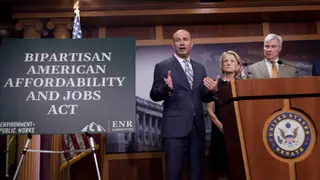
The Bipartisan American Affordability and Jobs Act (BAAJA) seeks to accelerate permitting for large energy projects, including wind farms and gas pipelines, by reforming federal environmental review processes. Critics, including environmental groups and tribal leaders, argue the bill undermines key laws like the Clean Water Act and Endangered Species Act, while also reducing tribal consultation rights. Supporters point to long delays in projects like the SunZia wind and transmission line, which took 20 years to complete, as evidence of the need for reform.
The Bipartisan American Affordability and Jobs Act (BAAJA) proposes sweeping changes to federal permitting for large energy projects, including wind farms and gas pipelines, aiming to cut review times from decades to just a few years. A key example cited by supporters is the SunZia wind and transmission project, which took 20 years from proposal to completion and only recently went online. Similarly, a transmission line in Oregon took 17 years to permit, and the U.S. Department of Energy reports that new transmission projects average 10 years in development. The bill is championed by Sen. Martin Heinrich (D-NM), who argues that long delays hinder clean energy deployment and economic growth. However, critics including environmental groups like Earthjustice and tribal advocates highlight that BAAJA would weaken core environmental laws such as the Clean Water Act, Endangered Species Act, and the National Environmental Policy Act (NEPA), particularly by eliminating the possibility of court-ordered project halts for NEPA violations. Tribal leaders, represented in Native News Online, condemn the bill for excluding them from negotiations and weakening consultation requirements, calling the legislation “thorough and surgical” in its effort to erode tribal sovereignty and protections for sacred lands. The bill’s manager’s amendment, which has drawn scrutiny, further restricts legal challenges and judicial review, raising concerns about accountability. While proponents argue the reforms are essential to meet climate goals, opponents warn that fast-tracking projects could enable fossil fuel expansion under the guise of clean energy and undermine environmental and tribal protections.
BAAJA could significantly reshape the balance between energy development and environmental protection, potentially accelerating renewable infrastructure while weakening legal safeguards that have long governed federal project approvals. If passed, the bill may enable faster deployment of clean energy transmission but could also open the door to unchecked fossil fuel projects, especially under a future administration with different priorities. The erosion of NEPA’s enforcement mechanisms may reduce transparency and public participation, weakening democratic oversight of major infrastructure. Comparable to past debates over energy legislation like the 2005 Energy Policy Act, which expanded fossil fuel development with limited environmental scrutiny, BAAJA may set a precedent where speed is prioritized over accountability. The outcome could affect state and tribal governments, which may lose authority over land and water use, particularly if federal preemption is expanded. What remains uncertain is whether a future Congress, with different leadership or party control, will revisit or revise the bill—especially given the filibuster’s 60-vote threshold, which could stall any alternative legislation. The next few months, particularly after the new Senate and House are seated, may determine whether BAAJA advances or is reworked, with implications for climate policy, tribal rights, and energy market dynamics.